
 9 Jul 2026
  7 min read

 Danny Wall
The finish you put on interior timber matters just as much as the timber itself. Get it right and skirting, doors and stairs will shrug off knocks and cleaning for years. Get it wrong and you’re back sanding it down before the job’s even settled in. This guide runs through the main types of finishes for timber, what each one suits, and how to pick the right one for the job in front of you.
The main types of finishes for timber
Most interior joinery jobs come down to a handful of finishes. Some soak into the wood, some sit on top of it, and a couple do a bit of both. Here’s how the different types of timber finishes compare.
| Finish | Look | Protection level | Best for |
Things to watch |
|
Oil (Danish, linseed) |
Low sheen, brings out the grain | Medium, soaks in | Doors, panelling, furniture | Needs topping up over time |
|
Wax |
Soft, matt to satin | Low | Light-use trim, over other finishes | Marks easily, reapply often |
|
Varnish (inc. polyurethane) |
Satin to gloss, film on top | High | Stairs, skirting, doors |
Scratches mean sanding back |
|
Water-based lacquer |
Clear, keeps timber pale | Medium to high | Doors, panelling, floors |
Raises the grain on first coat |
|
Wood stain |
Adds colour, shows grain | None on its own | Colouring before a topcoat |
Always needs sealing over |
| Paint | Solid colour, matt to gloss | High | Painted skirting, architrave, doors |
Needs primer on bare timber |
| Hardwax oil | Matt to satin, close to bare wood | High, soaks in and hardens | Worktops, stair treads, floors |
Apply thin or it stays tacky |
Penetrating finishes vs surface finishes
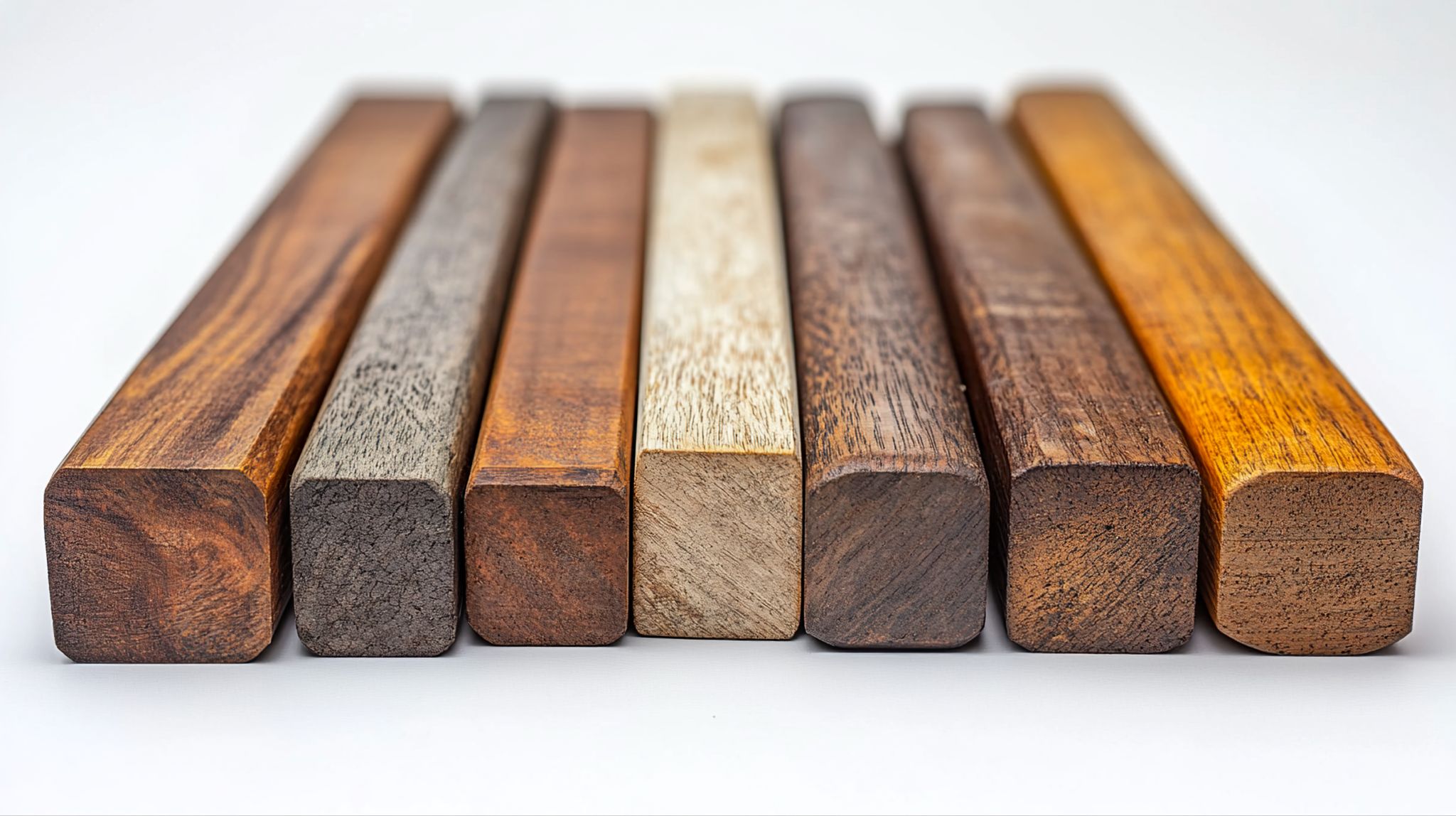
The split that matters most is whether a finish soaks in or sits on top.
- Penetrating finishes (oils, hardwax oils, waxes) sink into the timber. They leave the wood feeling close to bare and they’re easy to patch. Scuff an oiled worktop and you can clean the area, re-oil the patch and blend it in.
- Surface finishes (varnish, lacquer, paint) form a film over the top. They give more protection against knocks and spills, but a deep scratch means sanding the whole section back and recoating, not just spot-fixing it.
Neither is better across the board. It comes down to how much wear the timber takes and how much upkeep the customer is willing to do.
How to choose the right timber finish for the job
Choosing the right timber finish gets a lot easier once you work through a few practical questions. Run down this list before you open a tin.
- What’s the item and how hard will it get used? Skirting in a spare room and a stair tread in a busy hallway are two different jobs. High-traffic timber needs a hardwearing film or a hardwax oil.
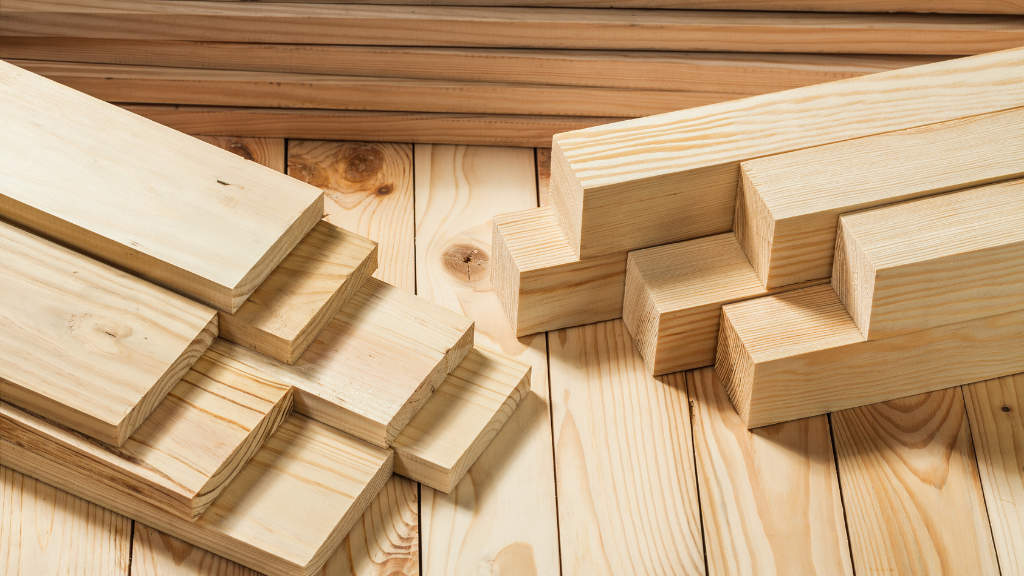
- Softwood or hardwood? Open-grain softwood like pine drinks finish and can blotch with stain, whereas smoothly machined planed timber takes a clear oil or varnish far more evenly. A dense hardwood takes finish more evenly and often looks better under a clear oil.
- Grain on show, or a solid colour? If the customer wants to see the wood, go clear oil, lacquer or varnish. If they want a painted look, it’s primer and paint.
- How much upkeep are they up for? Oils need a refresh now and then. Varnish and paint are more fit-and-forget once they’re on.
- What sheen do they want? Matt, satin or gloss changes the whole feel of a room. Satin is the safe middle ground for most interior trim.
Matching finish to common interior timber jobs
If you want a quick steer, here’s what tends to work for the jobs that come up most.
|
Timber job |
Finish that usually works |
|
Skirting and architrave |
Primer and paint, or satin varnish to show the grain |
|
Internal doors |
Paint, or oil/varnish on a hardwood or veneered door |
|
Stairs and handrails |
Hardwearing varnish or hardwax oil for high traffic |
|
Wooden worktops |
Food-safe hardwax oil or a dedicated worktop oil |
|
Interior panelling and cladding |
Oil or a matt lacquer |
Preparation and application to get a clean finish
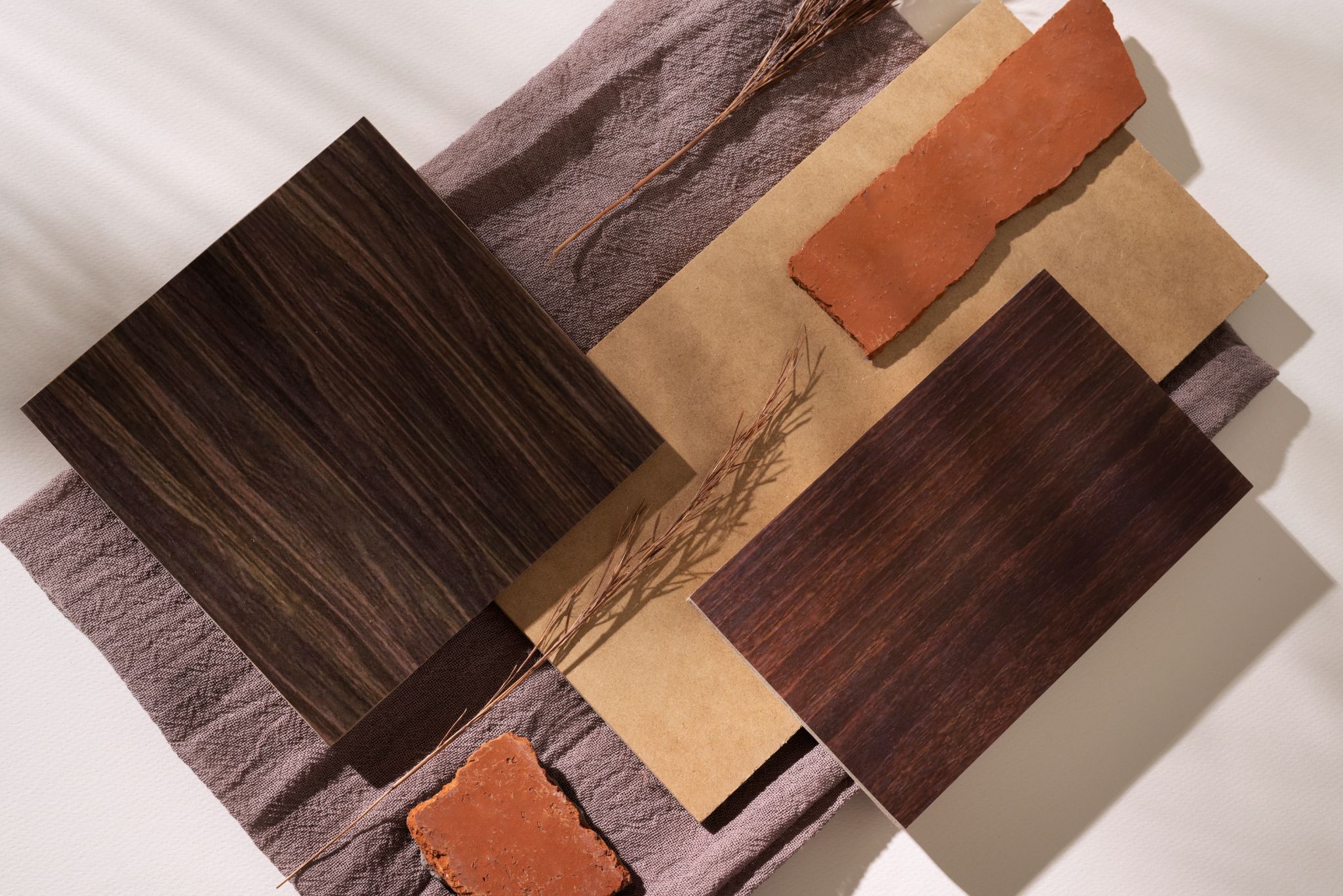
The finish only ever looks as good as the prep underneath it. This is where most of the work happens.
- Let the timber settle in the room first. Timber picks up and loses moisture with its surroundings. Bring it into a warm room, give it a few days to acclimatise, then finish it. Coat it straight off a cold van and it can move afterwards, which cracks paint and lifts varnish.
- Sand with the grain, working up through the grits (start around 120, finish around 220 for most interior work). Going against the grain leaves scratches that show up the moment the finish goes on.
- De-dust before you coat. A wipe with a tack cloth or a lightly damp rag clears the fine dust that sanding leaves behind.
- Thin, even coats beat one thick one. Two or three light coats give a better result and a tougher finish. Give a light sand between coats so the next one grips.
- Test on an offcut first, especially with stain. It shows you the real colour and how long it takes to dry before you commit to the actual job.
- Handle oily rags safely. Rags soaked in oil-based finish can catch fire on their own as they dry. Lay them flat outside to dry, or seal them in a metal container with water before disposal.
Common mistakes that cause bad results
A few repeat offenders account for most of the finishes that go wrong:
- Finishing cold timber the moment it comes indoors, then watching it move
- Skipping the topcoat over stain, so the colour rubs and marks with no protection
- Loading oil on too thick and leaving a tacky surface that never fully cures
- Picking the wrong sheen for the room, like a high gloss on skirting that shows every mark
Getting the right timber to start with
No finish rescues the wrong timber. A good coat of varnish won’t hide a warped, wet or poorly graded board, and it won’t make a soft indoor timber stand up to a job it was never cut for. Starting with sound, properly stored stock that suits the work does more for the end result than any tin of finish.
That’s where buying from a merchant who knows the trade earns its keep. Skuma Timba stocks construction-grade timber, sheet materials and joinery for tradespeople and DIYers across a 65-mile radius of Scunthorpe, and the team can point you to the right stock and cut it to size before you get anywhere near the finishing stage. Speak to someone who knows if you’re not sure what suits the job.
Frequently asked questions
What is the most hardwearing finish for interior timber?
For high-traffic timber like stairs and worktops, a good varnish or a hardwax oil takes the most punishment. Varnish gives a tough film on top, while hardwax oil soaks in and hardens, so it’s easier to patch later. Both beat a plain oil or wax for wear.
Do you need to seal timber before painting it?
On bare or softwood timber, yes. A primer gives the paint something to grip and stops the wood soaking up coat after coat. Seal any knots with a knotting solution first, or the resin can bleed through and stain the paint later.
What’s the difference between wood stain and wood finish?
Stain adds colour and brings out the grain, but it gives almost no protection on its own. A finish (oil, varnish or lacquer) is the protective layer that goes over the top. In most cases you stain first for the colour, then seal it with a finish so it stands up to use.
Can you use the same finish on softwood and hardwood?
You can, but the results differ. Open-grain softwood absorbs more and can blotch under stain, so a wood conditioner or a test patch helps. Denser hardwoods take finish more evenly and often look better under a clear oil or varnish.
How long should timber acclimatise before finishing?
Give it a few days in the room where it’ll live, so it can settle to the temperature and humidity there. Timber that’s gone from a cold store to a warm room needs longer. The drier and warmer the space, the more time it’s worth allowing before you finish it.