
 26 May 2026
  9 min read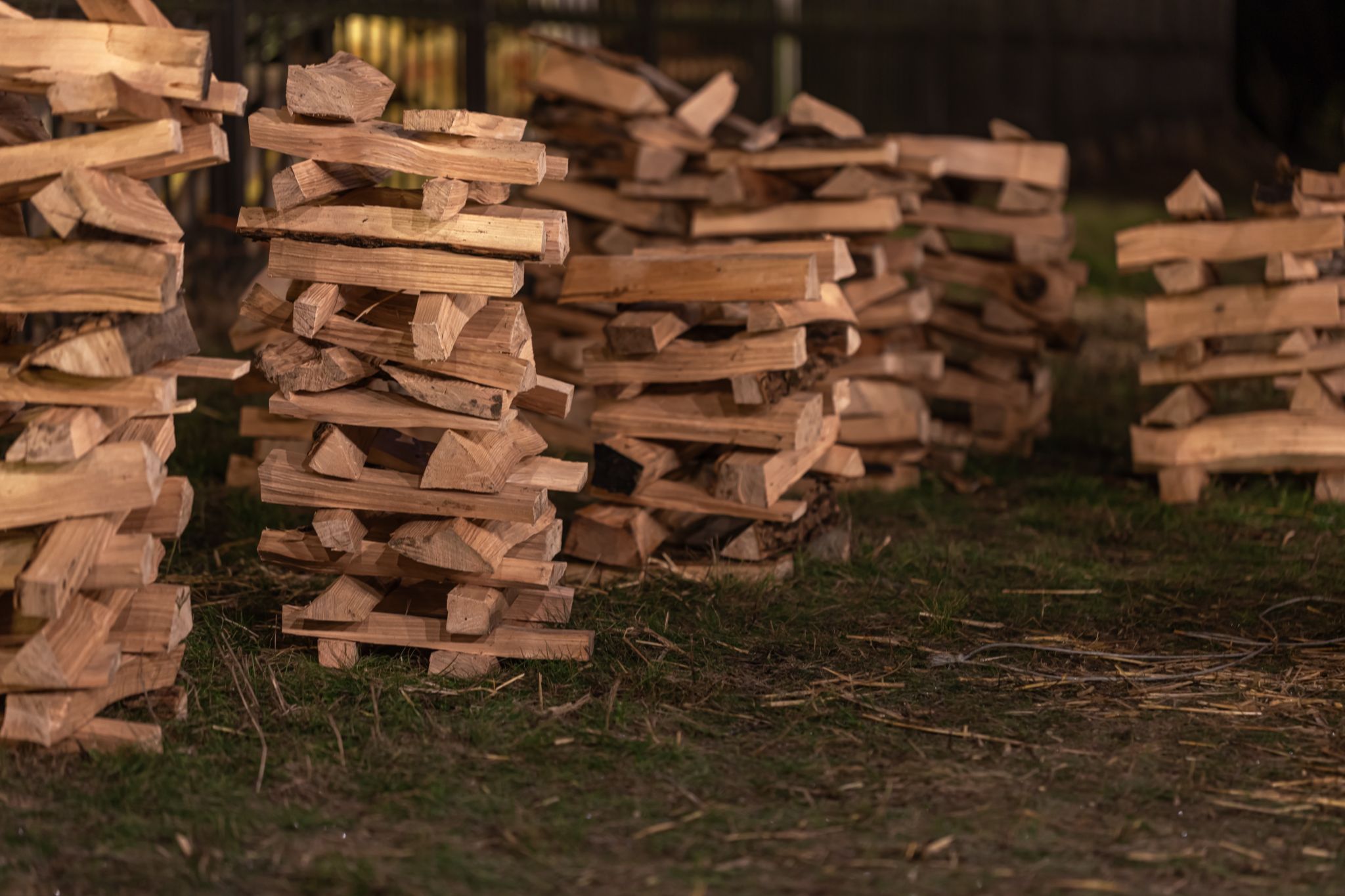

 Danny Wall

Timber that’s gone out of shape is timber you can’t use. A bowed length of stud, a cupped floorboard, a twisted batten: once it’s moved, it’s either firewood or a job you have to redo. Either way it costs you time on site and eats into the margin.
Most of that comes down to one thing. Timber takes on and gives off moisture depending on the air around it, and when one part of a board changes faster than another, the wood pulls itself out of shape. Get the storage right and you stop the problem before it starts.
Why timber warps in the first place
Wood is never truly “finished” drying. It keeps taking in and releasing moisture until it settles with the humidity of wherever it’s sitting, which is the point timber merchants call equilibrium moisture content. Trouble starts when that moisture moves unevenly. One face dries while the other stays damp, the two sides shrink at different rates, and the board distorts.
The defects you’ll see are worth knowing by name, because the shape tells you what went wrong:
- Bowing: the board curves along its length, usually from uneven support underneath.
- Cupping: the edges lift and the middle dips, often from one face drying faster than the other.
- Twisting: the board winds along its length, common in timber with irregular grain.
- Splitting and end-grain checking: cracks at the ends, where moisture escapes quickest.
A few things change how fast moisture moves. Thicker sections take longer to settle than thin ones. Coated or treated timber holds moisture longer than bare wood, so planed treated timber in particular needs time to settle before it goes into finished work. End grain loses moisture far quicker than the faces, which is why ends crack first. Warmer air speeds the whole thing up. Keep these in mind and the rest of the storage advice makes sense.
Get the storage environment right
The space you keep timber in does most of the work. The basics are simple enough:
- Keep it dry. Damp is the enemy. Timber sitting in a wet space will swell, warp and eventually rot.
- Keep it ventilated. Air needs to move around every piece. Still, damp air trapped against the wood is what causes the worst problems.
- Keep it out of direct sun and rain. Sun dries one side too fast, rain wets it unevenly. Both pull boards out of shape.
- Keep it off the ground. Use bearers, pallets or a rack. Timber laid straight onto concrete draws up moisture, because concrete holds and releases water constantly.
One mistake that catches people out: storing timber in a brand-new build or a freshly plastered room. Wet trades like plastering and screeding throw a lot of moisture into the air, and that moisture goes straight into your timber. If the building’s still drying out, find somewhere else for the wood until it’s needed.
Storing timber in garage spaces
A garage is one of the better options for most people, as long as it’s reasonably dry and gets some airflow. Watch two things. Concrete garage floors stay cold and damp, so keep timber raised on bearers rather than flat on the slab. And cold external walls can sweat with condensation, so leave a gap between the wood and the wall.
Workshop timber storage
In a workshop where you’re holding a range of stock, group boards by species and thickness. It saves you pulling the whole pile apart to find one length, and it means you’re not disturbing a settled stack every time you need a bit of wood. Keep your good fresh stock separate from offcuts and part-used project timber.
Storing timber outside
Outdoors is a last resort for anything you want to keep in good nick, but sometimes there’s no choice on a busy site. If timber has to live outside:
- Raise it well clear of the ground on bearers.
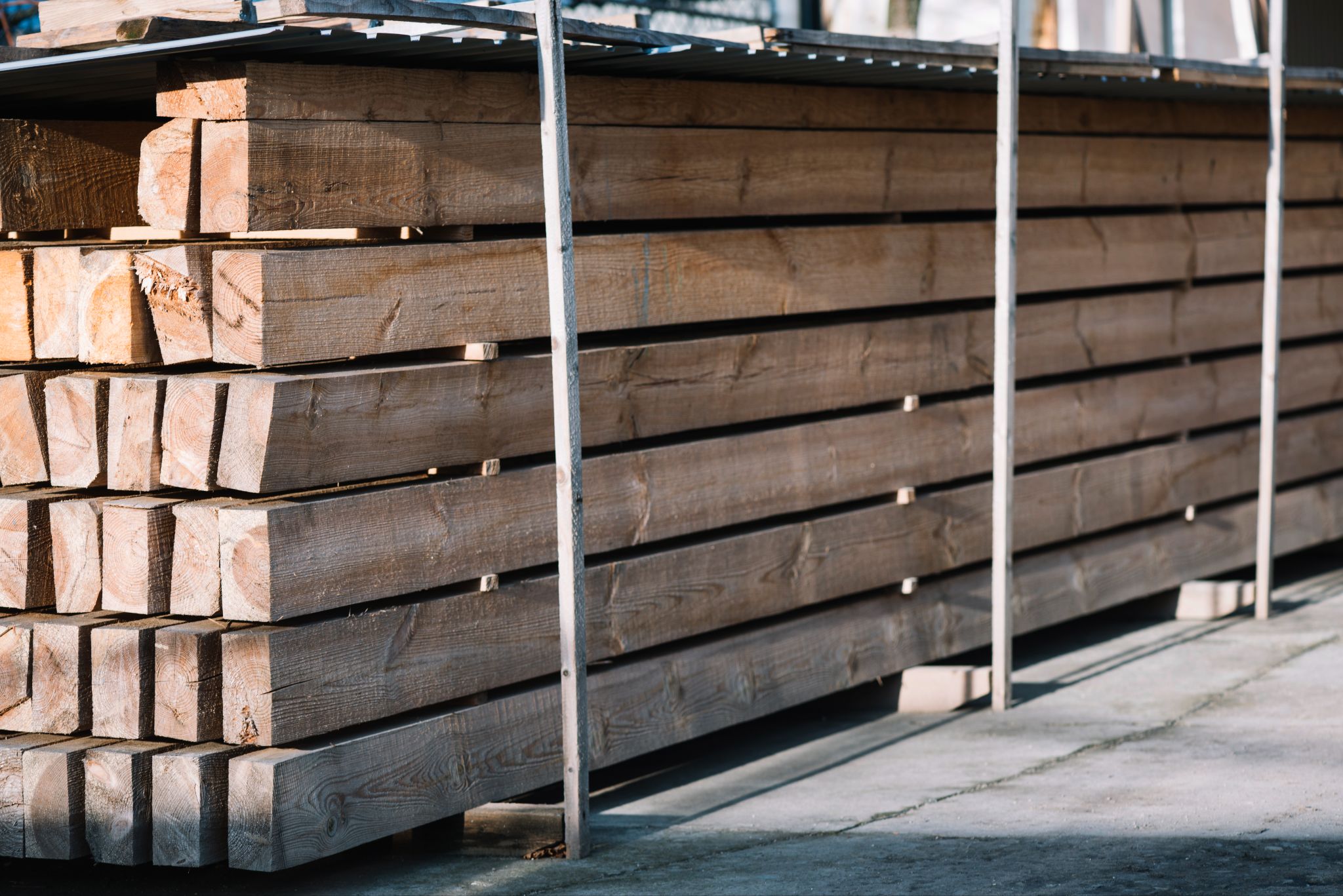
- Cover the top with a breathable, waterproof sheet to keep rain and sun off.
- Leave the sides open so air can still circulate.
The thing to avoid is wrapping the whole lot in a sealed tarp. That traps moisture against the wood and you end up worse off than if you’d left it open. Pressure-treated timber such as treated C24 or UC3 copes far better outside than untreated stock, but even treated wood wants covering and airflow if it’s going to sit for a while.
How to stack timber so it stays flat
This is where most warping is won or lost. Stacking timber properly takes a few minutes and saves a pile of waste, so it’s worth doing every time.
- Lay it on level, evenly spaced bearers. The supports underneath need to be in line and level with each other. Uneven bearers are one of the most common causes of bowing, because the board sags into the gaps.
- Use stickers between layers. Stickers are thin, uniform strips of wood placed between each layer of boards so air can reach every face. Space them roughly 400 to 600mm apart along the length.
- Line the stickers up vertically. Each sticker should sit directly above the one below, all the way down through the stack. That way the weight passes straight down in a line instead of bending the boards in between.
- Weight the top of the stack. A bit of weight on the top layer keeps the lower boards pressed flat while they settle.
- Leave factory straps on until you need the timber. Packaged lengths come banded for a reason. The straps hold the boards under tension and keep them straight, so don’t cut them off until you’re ready to use the wood.
Storing sheet materials and long boards
Sheet goods and long lengths need slightly different handling:
- Plywood, OSB and other sheet materials are best stored flat and fully supported underneath. If you have to stand them on edge, keep them as close to vertical as you can. Leant at a shallow angle, a sheet will slowly bow under its own weight.
- Plywood in particular holds its shape best when sheets are banded or clamped together, and when both faces are kept in the same conditions. Ply warps badly when one face gets damp and the other stays dry, so don’t lean it against a cold wall with one side exposed.
- Long lengths of timber want supporting along the full run, not just propped at the two ends. A long board held only at the ends will sag in the middle every time.
Let timber settle before you use it
Storage is half the job. The other half is letting timber acclimatise to where it’s actually going to live before you cut or fix it. This matters most for internal work: flooring, skirting, architrave and finished joinery.
Bring the timber into the room or building where it’ll be fitted and leave it to settle to those conditions first. If you fit flooring straight off the van while it’s still adjusting, it can shrink and gap or swell and lift once it’s down. As a loose guide, flooring and finished joinery often want several days to a week or more to settle, depending on how different the storage and fitting conditions are. Damp wood going into a warm dry room needs longer.
It’s also worth checking timber the moment it arrives. Look it over for any bowing, cupping or damage before it goes into storage, so anything that’s not right gets flagged straight away rather than discovered halfway through the job.
Starting with timber that’s been stored well
Good storage on your end only goes so far if the timber was already in poor shape when you bought it. Stock that’s been kept dry, covered and turned over regularly comes to you straight and stable, which gives you a head start before it even reaches the bearers.
It’s one of the reasons how timber gets to you is worth a thought. At Skuma Timba, deliveries go out on our own vans rather than through third-party couriers, so stock is handled and loaded properly instead of being left to sit in a yard or thrown about in transit. You can see the full timber range, including stripwood for smaller jobs, rough sawn treated timber for outdoor use and external timber cladding, on the relevant product pages.
FAQs About Timber Storage
What is the best way to store timber?
Flat, off the ground, in a cool, dry, well-ventilated space, out of direct sun and rain. If you’re stacking it, put stickers between the layers so air reaches every board and a weight on top to hold it flat. Outdoors, cover the top with a breathable sheet but leave the sides open.
Where should timber be stored?
A dry, ventilated garage, shed or workshop is ideal. Keep it raised off concrete floors and away from cold external walls. Avoid storing it in a new build or freshly plastered room, where wet trades push a lot of moisture into the air.
How long does timber need to settle before use?
Long enough to acclimatise to the conditions where it’ll be fitted. For internal flooring and joinery that often means several days to a week or more, depending on how damp the wood is and how warm and dry the room is. The bigger the difference between storage and fitting conditions, the longer it needs.
How do you stop untreated wood rotting outside?
Keep it off the ground, covered and ventilated, and seal or treat it. Untreated timber isn’t built to sit out in the weather, so for anything staying outdoors long term, pressure-treated timber is the better starting point.
Can warped timber be saved?
Mild bowing or cupping can sometimes be corrected by re-stacking the board flat, under even weight, in stable conditions and giving it time. Surface damage can be sanded and sealed. Badly twisted timber is usually past saving, though you can often cut it down into shorter, straighter usable pieces.