
 16 Apr 2026
  10 min read

 Danny Wall
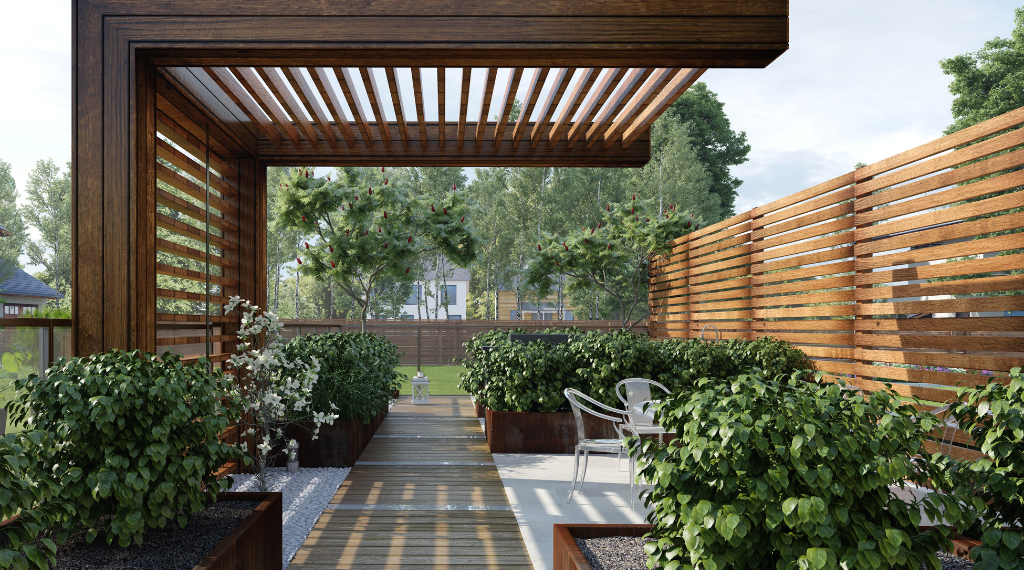
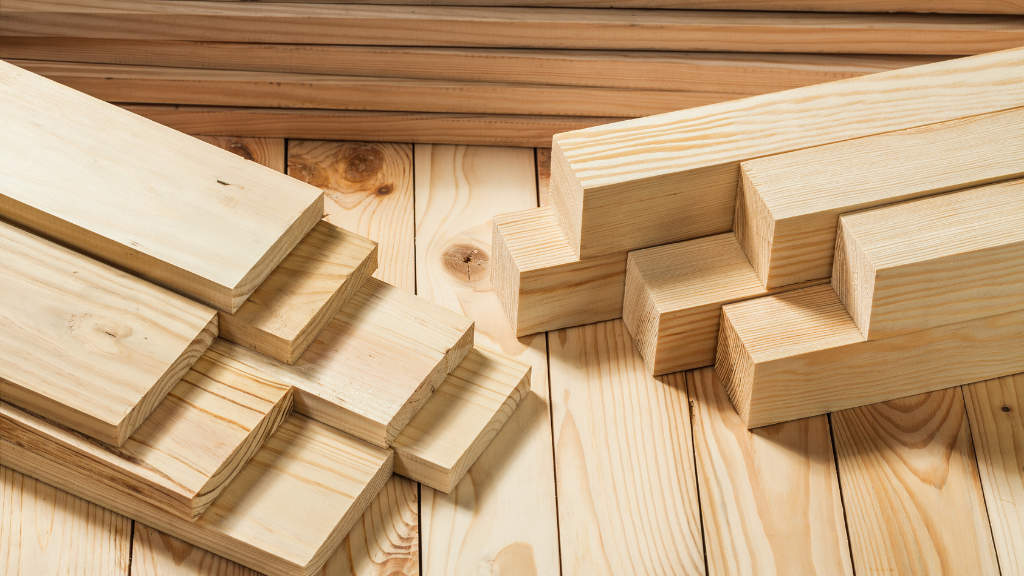
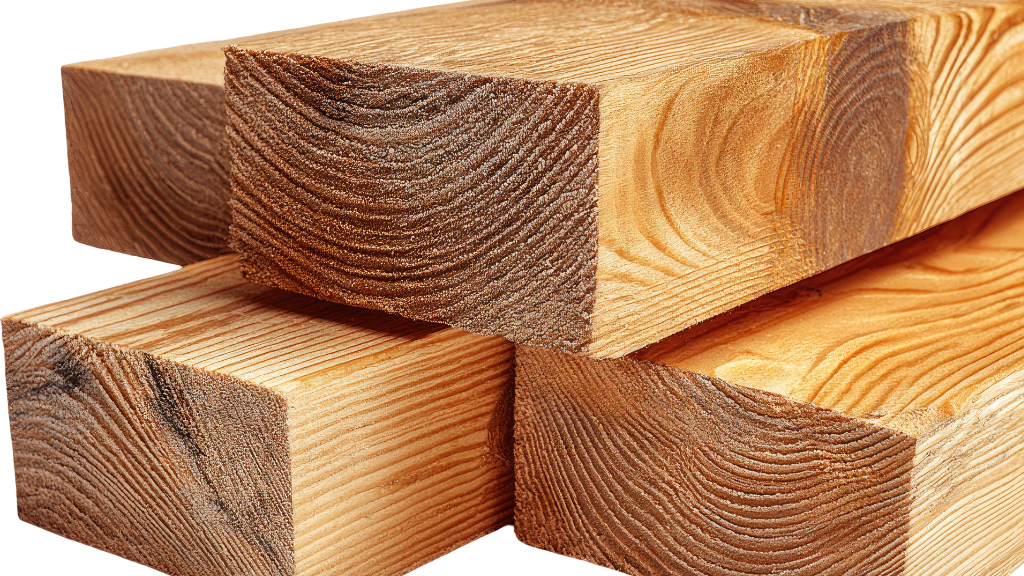
Most structural timber used in UK construction is softwood, typically spruce, pine, or fir sourced from Scandinavia or the Baltics. These species grow quickly, which means the timber contains a high proportion of sapwood: the outer, younger part of the tree. Sapwood has little natural resistance to rot, fungi, or insect attack. Without treatment, it will not last long in external or ground-contact applications.
The key threshold to understand is moisture content. Timber becomes vulnerable to fungal decay when its moisture content rises above approximately 20%. In external applications, especially anything in or near the ground, that threshold is regularly exceeded. Treatment is what keeps the timber viable over its intended service life.
Modern forestry practices have increased the proportion of sapwood in construction-grade timber compared to older-growth material. That makes factory-applied treatment more important than ever, not less. The same applies to home timber projects built outdoors, where treated softwood is the difference between a build that lasts a decade and one that fails within a couple of seasons.
Types of Timber Treatment Methods
Most structural and outdoor timber arrives from the merchant pre-treated at the factory. On-site treatment is used for maintenance, cut-end protection, or lower-risk applications. The method used affects how deep the preservative penetrates and how long the protection lasts.
Pressure Impregnation (Vacuum Pressure Treatment)
This is the standard industrial method and what “pressure treated” means on a timber label.
- Timber is loaded into a sealed steel cylinder
- A vacuum is drawn first, removing air from the wood cells
- Preservative solution is then forced in under high pressure
- The result is deep, consistent penetration throughout the timber cross-section
This method is used for structural, external, and ground-contact applications. C24 treated structural timber, rough sawn treated timber, CLS studwork, fence posts, and decking supports are all typically produced this way. If a project involves external exposure or anything going into the ground, pressure-treated timber is what you need.
Dip Treatment
Timber is submerged in a preservative bath for a set period. Penetration is shallower than pressure treatment: the preservative works into the surface rather than deep into the wood fibres.
Dip-treated timber is suitable for lower-risk, above-ground applications. It is not appropriate for ground contact. One important practical point: cutting dip-treated timber on site exposes the untreated core at the end grain. Any cut ends should be treated with a compatible cut-end preservative before installation.
Diffusion Treatment (Boron)
This method is used on green (freshly cut) timber. Boron salts are applied to the surface and allowed to migrate through the moisture already present in the wood. The process takes time but results in good distribution through the timber.
Boron treatment is effective against a wide range of wood-boring insects and dry rot fungi. Its limitation is that it is water-soluble: once the timber dries out and is exposed to wetting cycles, the boron can leach out. This makes it unsuitable for outdoor or ground-contact use. It is the right choice for internal framing, roof timbers, and floor joists in dry or near-dry conditions.
Surface Application (On-Site or DIY)
Brush-on, spray, or roller-applied preservatives are not the same as factory treatment. They do not penetrate as deeply and should not be used as a substitute for pressure treatment on structural or external timber.
Where surface application is appropriate:
- Re-treating cut ends after on-site cutting
- Refreshing older timber that has dried out or lost its initial protection, a routine job in ongoing fence maintenance
- Protecting untreated decorative or interior timber against biological attack
One distinction worth making clear: a preservative protects timber from biological attack (rot, fungi, insects). A finish, whether oil, stain, or paint, protects from weather and UV, and it helps to know the different types of finishes for timber before choosing one. Both serve different purposes. On external timber, you often need both.
Types of Timber Preservatives
The chemical type determines where treated timber can be used and how long it will perform. The table below covers the main types you will encounter when buying or specifying treated timber in the UK.
| Preservative | What it is | Typical applications | Notes |
| CCA (Copper Chrome Arsenate) | Water-borne, pressure-applied | Fence posts, utility poles, ground contact | Greenish tint on the timber. Use is restricted for residential applications in some contexts. |
| ACQ (Alkaline Copper Quaternary) | Water-based, heavy duty | Decking, landscaping sleepers, garden structures | Common alternative to CCA. ACQ can corrode standard fixings: use hot-dipped galvanised or stainless steel. |
| Copper Azole (CA) | Water-based | Decking, sleepers, cladding | Similar performance profile to ACQ. Look for BS 8417 compliant products. |
| LOSP (Light Organic Solvent Preservative) | Solvent-carried | Window joinery, cladding, structural pine | Timber stays dry and dimensionally stable after treatment. Suitable where a painted or stained finish is needed. |
| Boron | Diffusion-applied, water-soluble | Internal framing, roof timbers, floor joists | Not for ground contact or outdoor use. Effective against insects and dry rot fungi in dry conditions. |
| Creosote | Oil-borne, coal tar derivative | Railway sleepers, utility poles, marine structures | Dark, oily finish. Restricted to professional and industrial use in the UK. Not available for domestic purchase. |
Choosing the right preservative is not a matter of preference. It is determined by hazard class: the exposure conditions the timber will face in use. That is covered in the next section.
Hazard Classes Explained
Hazard classes (also called Use Classes in UK terminology) categorise timber treatments according to the biological and environmental risk the timber will be exposed to. UK standards follow BS 8417, which uses the Use Class (UC) system. Some suppliers and overseas technical documentation refer to H-classes instead. Both systems describe the same exposure categories.
The class you need determines which preservative is appropriate and what retention level (the amount of preservative in the timber) is required.
Hazard Classes at a Glance
| Use Class (UC) | H-Class | Where the timber is used | Typical preservative | Example applications |
| UC1 | H1 | Indoors, dry, no wetting risk | Boron | Internal studwork, partition walls |
| UC2 | H2 | Indoors, risk of occasional wetting | Boron or light preservative | Ground floor joists, roof timbers |
| UC3.1 | H3.1 | External, above ground, occasional wetting | ACQ, CA, LOSP | Cladding with overhang protection, window frames |
| UC3.2 | H3.2 | External, above ground, regular or prolonged wetting | ACQ, CA | Decking, open fencing rails, exposed cladding |
| UC4 | H4 | Ground contact or fresh water contact | CCA, ACQ, CA | Fence posts, decking supports, retaining timbers |
| UC5 | H5 | Prolonged ground contact, severe exposure | CCA, specialist treatments | Heavy structural posts, poles |
| UC6 | H6 | Salt water contact | Specialist only | Jetties, harbour structures, marine piling |
H3.1 vs H3.2: What is the Difference?
Both classes cover above-ground external timber, but the exposure risk is different.
- H3.1 / UC3.1 applies to timber that is occasionally wetted, for example cladding protected by an overhang or window joinery that dries out between rain events
- H3.2 / UC3.2 applies to timber that is regularly or continuously exposed to wetting, such as decking boards, open fence rails, or cladding with no overhang protection
If you are unsure which applies to your job, specifying H3.2 where H3.1 is the minimum gives additional margin. The cost difference is small. The difference in service life is not.
H3 vs H4: A Common Cause of Callbacks
This is one of the most common specification errors on site. H3 timber is for above-ground use. H4 is for ground contact. Using H3 timber as a fence post, for example, will significantly reduce its service life regardless of how good the preservative chemistry is, which is why many fence runs use concrete posts and gravel boards at ground level instead. The use class must match the application, not just the timber species or grade.
How to Read a Treated Timber Label
Most treated timber carries a label or stamp from the treatment plant. Knowing what it tells you helps when specifying or checking a delivery.
What to look for:
- Preservative type or code — for example, CCA, ACQ, CA, or LOSP. This tells you the chemistry used.
- Use Class or Hazard Class — confirms what exposure conditions the treatment is rated for.
- Retention level — the amount of preservative retained in the timber, expressed in kg/m³. Higher retention is required for higher hazard classes.
- BS 8417 compliance — the relevant UK standard for preservative treatment of wood. For Building Regulations projects, specifying BS 8417 compliant treated timber is advisable.
- WPA Benchmark mark — a quality mark from the Wood Protection Association indicating the treatment was carried out to an audited standard.
The green tint commonly seen on treated softwood is a result of copper-based preservatives, most often CCA or ACQ. It does not affect structural performance and will fade over time with exposure.
Cutting and Working with Treated Timber
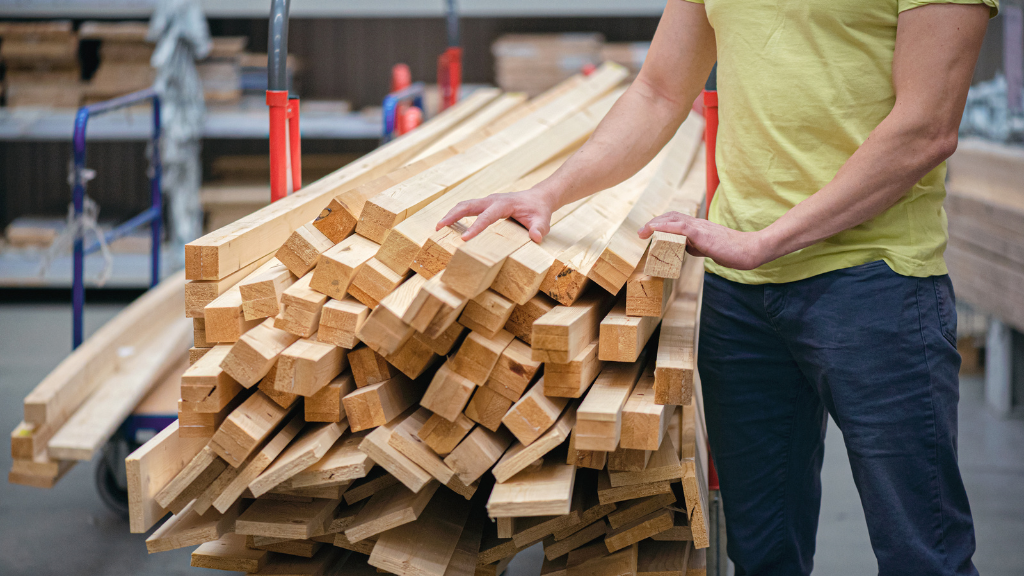
Factory treatment does not protect timber that has been cut on site. The cut face exposes untreated wood at the end grain, which is also the most absorbent part of the timber. A few straightforward steps reduce the risk.
On-site handling:
- Treat all cut ends with a compatible cut-end preservative before installation, particularly for UC4/H4 applications in ground contact
- Use the right fixings with ACQ and CA treated timber: these preservatives can corrode standard bright steel fixings. Specify hot-dipped galvanised, stainless steel, or fixings rated for use with treated timber
- Wear a dust mask when cutting treated timber. Fine particles from pressure-treated wood should not be inhaled. A half-face mask with a P2 filter is appropriate for site cutting
- Do not burn treated timber offcuts. Preservative chemicals, particularly in CCA timber, produce toxic fumes when combusted. Treated timber offcuts must be disposed of through a licensed waste contractor
- Store treated timber off the ground and allow it to dry before applying any paint or stain finish, following the same timber storage principles that keep boards stable and straight. Wet treated timber will not take a finish properly
FAQs
What are the different types of timber treatment?
There are four main treatment methods: pressure impregnation, dip treatment, diffusion (Boron), and surface application. Pressure impregnation is the standard for structural and outdoor timber. The chemical preservative used within each method varies, with the main types being CCA, ACQ, Copper Azole, LOSP, and Boron. The right method and preservative depend on the hazard class of the application.
What is the difference between H3.1 and H3.2?
Both cover above-ground external timber, but H3.1 is for timber that is occasionally wetted and has the chance to dry out between exposures, such as cladding with overhang protection. H3.2 is for timber subject to regular or prolonged wetting, such as decking or open fence rails. When in doubt, specify H3.2 for added service life, especially in exposed northern locations where drying periods are shorter.
What is H1.2 treatment?
H1.2 refers to treatment rated for internal use in dry or near-dry conditions, corresponding to UC1 and UC2 in UK terminology. Boron-based treatment is the most common type in this class. It is used for internal framing, roof timbers, and floor joists where moisture content is expected to remain consistently low.
What is the difference between H3 and H4 treated timber?
H3 is rated for above-ground external use. H4 is rated for ground contact or fresh water exposure. Using H3 timber in ground contact, for instance as a fence post, will reduce its service life significantly because the treatment retention level and preservative chemistry are not rated for that level of exposure. Always specify H4 for any timber going into or close to the ground.
Do I need to re-treat timber after cutting on site?
Yes, particularly for H4/UC4 applications. Cutting exposes untreated end grain, which is the most vulnerable part of the timber. Apply a compatible cut-end preservative to any freshly cut face before installation. This applies to fence posts, decking supports, and any other timber that will be in ground contact or subject to regular wetting.