
 9 Mar 2026
  8 min read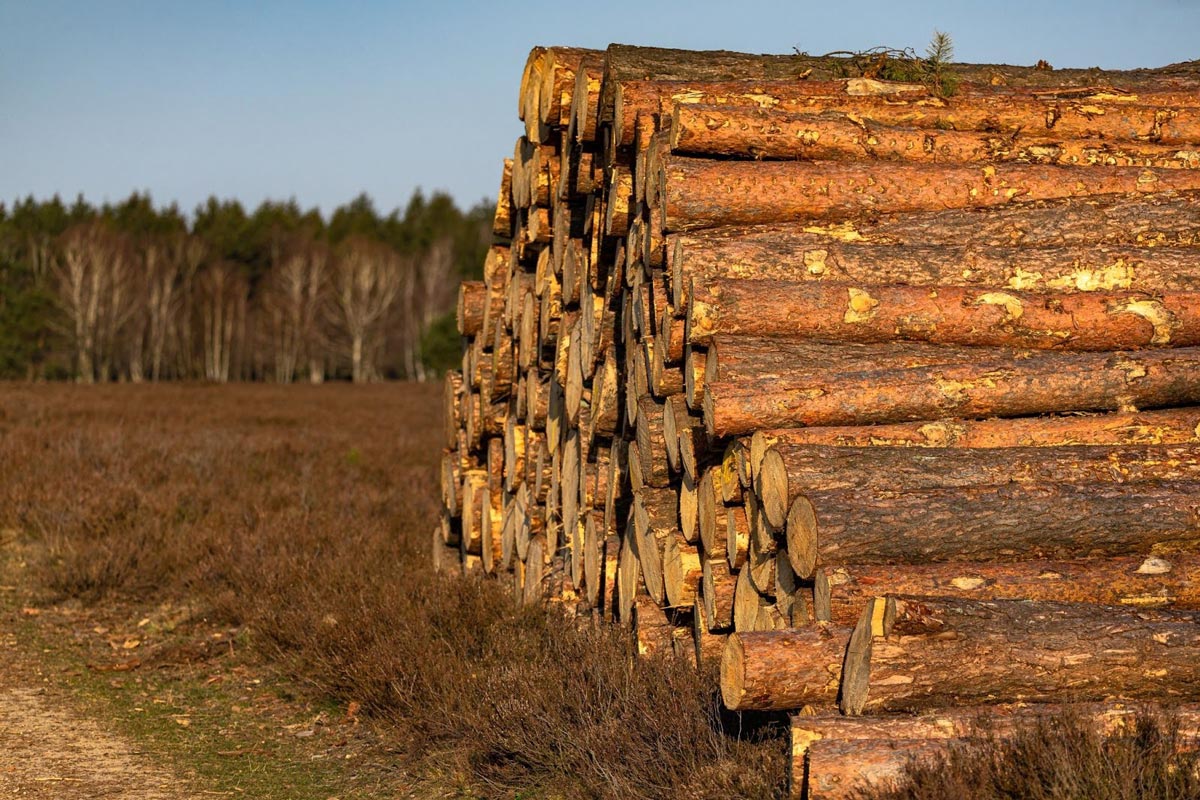

 Danny Wall

Most builders don’t spend much time thinking about where their timber comes from. You order it, it turns up, and you get on with the job. But where that timber has travelled before it reaches your site can affect everything: the price you pay, how quickly you get it, and how reliable your supply is when things go wrong.
The UK imports around 80% of the timber it uses, making us the second-largest net importer of wood in the world behind China. That adds up to roughly £7.5 billion worth of imported timber every year, most of it softwood for construction.
So where does it all come from, and what should you actually be looking for when choosing a timber supplier?
Where UK Construction Timber Comes From
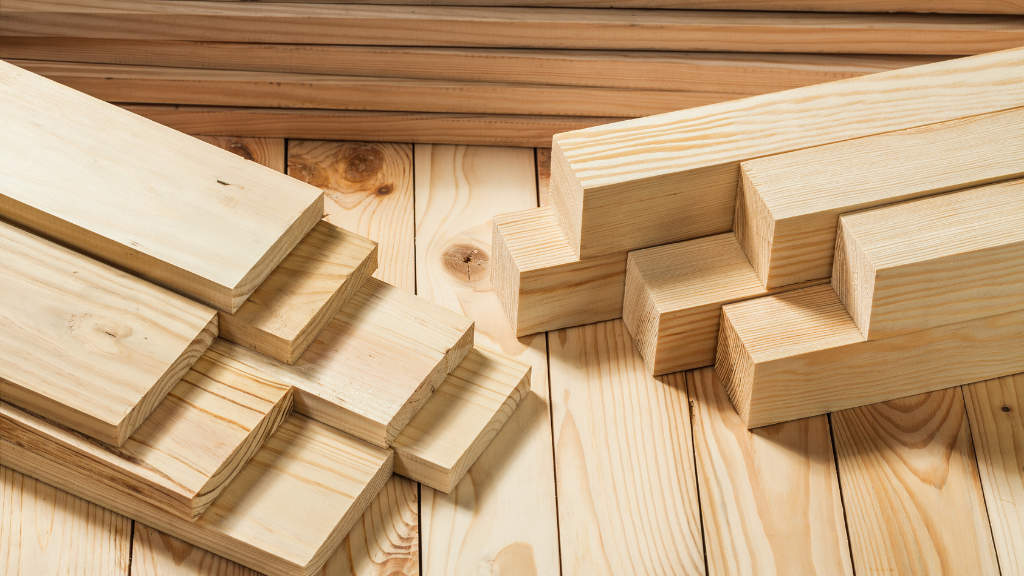
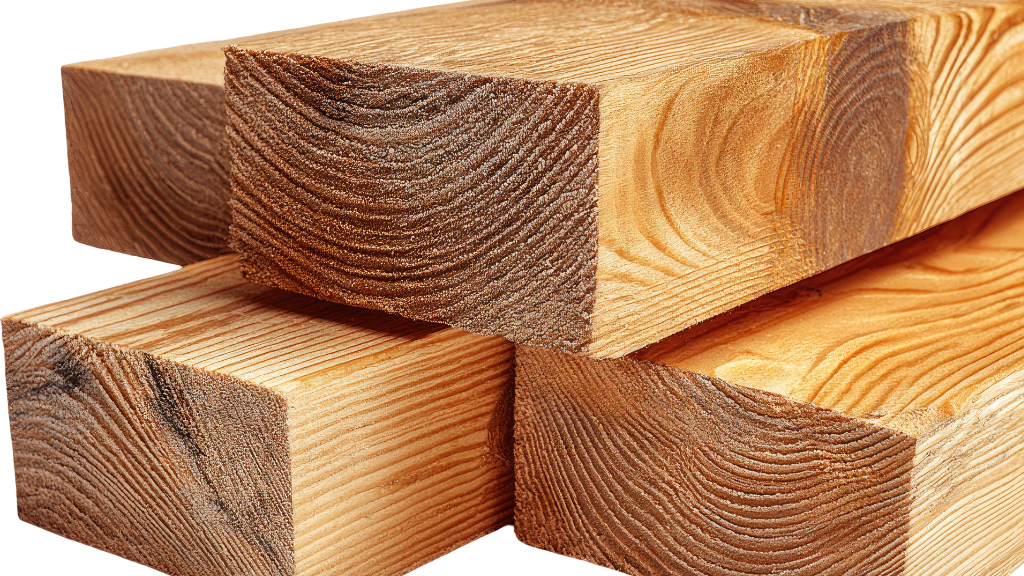
The bulk of the softwood used on UK building sites (C16 and C24 carcassing, CLS studwork, treated battens, roofing timbers) is grown in Scandinavia and the Baltics. Sweden, Finland, Latvia, Lithuania and Estonia are the main sources. Historically, Russia was a major supplier too, but trade restrictions have largely cut that off since 2022.
UK forest cover sits at around 13%. The European average is closer to 37%. We simply don’t grow enough timber domestically to keep up with construction demand, so imports are part of the picture for the foreseeable future.
That’s not a problem in itself. Most construction-grade softwood stocked by UK merchants comes from well-managed forests where trees are replanted as they’re harvested. The issue isn’t really where the timber grew. It’s how many hands it passes through before it reaches your site, and how that affects your lead times, your pricing, and your ability to get straight answers about what you’re buying.
Why the Supply Chain Matters More Than the Source
For most tradespeople and DIYers, the practical benefits of buying through a local merchant come down to a handful of things that directly affect your working day.
Faster turnaround on orders
A local merchant with stock on the ground can usually get you what you need within 24 to 48 hours. If you need 40 lengths of treated C24 for a job starting Thursday, a merchant running their own delivery fleet can have that sorted. Compare that to ordering through a long supply chain where lead times stretch into weeks, and the difference is obvious.
Steadier pricing
International timber prices shift with currency exchange rates, shipping costs and trade policy. When your supplier holds stock regionally and buys in bulk from established sources, those fluctuations get smoothed out. You’re less likely to get a quote on Monday that’s changed by Wednesday.
Better traceability
A good local merchant can tell you where the timber was grown, how it’s been graded, and what treatment it’s had. That level of detail gets harder to track when materials have passed through four or five intermediaries on the way to your site.
Less waste
When you can walk into a branch, check the timber yourself, get it cut to size on the spot, and load it straight onto the van, you reduce the risk of returns, wrong sizes and wasted materials.
This is how local and distant supply tends to compare in practice:
| Local/Regional Merchant | Distant or Online-Only Supplier | |
| Typical lead time | Same day to 48 hours | 5 to 14+ days |
| Delivery | Own fleet, set radius | Third-party couriers |
| Price stability | Steadier, bulk-bought stock | Exposed to shipping and currency swings |
| Traceability | Can confirm source, grade and treatment | Often limited paperwork |
| Custom cuts | Usually available in branch | Rarely offered |
| Face-to-face advice | Yes | Phone or email only |
The Supply Chain Lesson Most Builders Already Know
Anyone working in construction during 2021 and 2022 remembers the timber shortage. Prices doubled on some products. Lead times that used to be measured in days stretched into weeks. Certain sheet materials and treated softwoods became genuinely hard to get hold of.
The builders who came through that period with the least disruption tended to be the ones with strong relationships with a local merchant. Suppliers who held their own stock, ran their own deliveries, and had direct lines to their timber sources kept fulfilling orders when the big national chains were struggling with empty yards.
Post-Brexit customs changes have added another layer of complexity for imported goods too. Timber arriving from EU countries now requires paperwork and checks that weren’t needed before 2021. Most established merchants handle this behind the scenes, but it still adds time and cost into the system, and it makes the case for a short, regional supply chain even stronger.
The Environmental Angle
Most builders aren’t choosing their timber based on carbon footprints, and that’s fine. But the environmental side is worth knowing about, especially as more main contractors, councils and project specs are asking where materials come from.
A few straightforward points:
- Timber that travels fewer miles between merchant and site generates fewer transport emissions. That part is just common sense.
- Most construction-grade softwood stocked by UK merchants comes from responsibly managed forests where trees are replanted as they’re harvested. If you need proof of this for a project spec, look for FSC or PEFC certification marks on the timber.
- Timber stores carbon. Every joist, stud and rafter is locking away CO2 for the life of the building. Using wood instead of steel or concrete in the right applications has a measurable benefit, without changing anything about how you work.
- The Grown in Britain certification goes a step further, confirming timber was grown, processed and supplied within the UK. Not all merchants carry GiB-certified stock, but awareness is growing as more projects start asking for it.
How a Scunthorpe Timber Merchant Approaches This
To put all of this into real-world terms, it helps to look at how an actual merchant handles their supply chain.
Skuma Timba, a family-run timber and builders’ merchant based in Scunthorpe, sources over 90% of its construction-grade timber from responsibly managed forests in the Baltics. That’s where most UK construction softwood comes from. The timber is shipped to the UK in bulk, then held at their Scunthorpe branch, ready for collection or delivery within a 45-mile radius using their own in-house fleet.
Because the team handles everything on site, including cutting, packing and delivery, the chain between merchant and building site stays short. Most local orders go out within 48 hours, and orders over £500 + VAT are delivered free. For builders across North Lincolnshire and the surrounding area, that means the gap between placing an order and having timber on site is measured in hours rather than weeks.
The timber may have grown in Latvia or Lithuania. That’s true for most of what’s used on UK building sites. What matters is what happens between the forest and your van: how the stock is held, how it’s handled, and how fast it gets to you. A short, well-run supply chain is what makes the practical difference.
Need timber delivered to your site? Skuma Timba stocks C16, C24, CLS studwork, treated softwood and sheet materials, all held at their Scunthorpe branch and ready to go. They deliver within a 45-mile radius using their own fleet, most local orders are out within 48 hours, and the team can cut to size in branch.
Get in touch with the team to check stock or arrange delivery.
FAQs About Locally Sourced Timber
What does “locally sourced timber” actually mean?
It doesn’t mean the tree grew down the road. For most UK builders, locally sourced timber means wood that’s been grown in well-managed forests (usually in Scandinavia or the Baltics), then imported, stocked and supplied by a merchant near you. The point is a shorter supply chain with fewer middlemen, faster delivery, and better traceability.
Is buying through a local merchant more expensive?
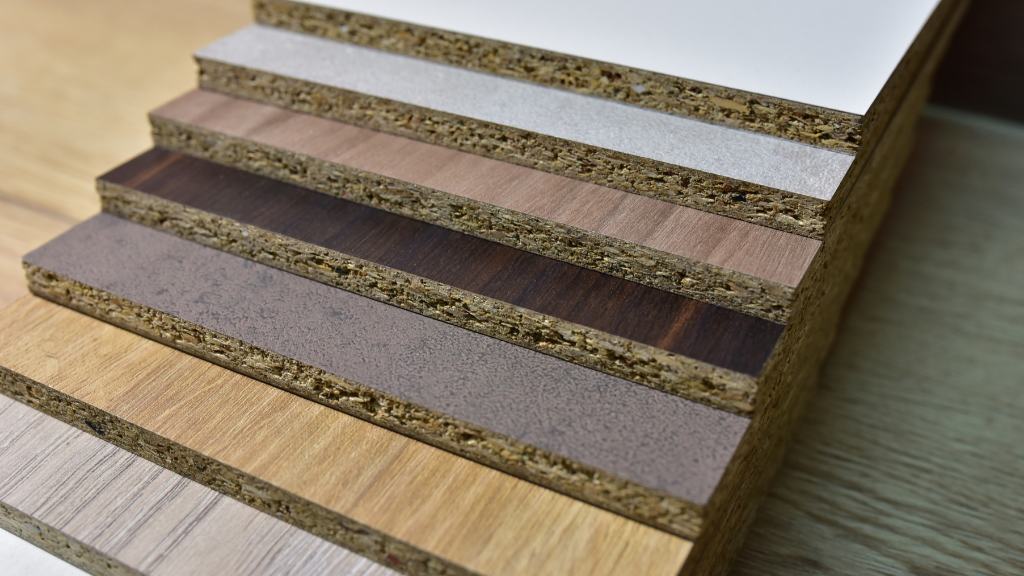
For standard construction products like treated softwood, CLS studwork and sheet materials, buying through a regional merchant is generally competitive on price. You also avoid the hidden costs that come with long-distance supply: shipping delays, customs hold-ups, and price swings tied to international currency markets.
How do I check if timber has been sustainably sourced?
Look for FSC or PEFC marks on the product or packaging. These confirm the wood comes from forests managed to recognised environmental standards. Your merchant should also be able to tell you the origin of their stock, the grade and the treatment method. If they can’t answer those questions, it’s worth asking why.
Can UK-grown timber be used for structural work?
Yes. UK species like Sitka spruce and Douglas fir are routinely graded to C16 and C24 standards, meeting the structural requirements of UK Building Regulations. The majority of structural softwood in the UK still comes from Scandinavian and Baltic sources, but domestic supply is gradually increasing as planting programmes mature.
Why does the UK import so much timber?
Low forest cover is the main reason. At around 13%, the UK has roughly a third of the tree coverage that most European countries have. Government-backed planting schemes are adding new woodland each year, but it takes decades for those trees to reach a harvestable size. In the meantime, well-managed imports from Northern Europe remain the backbone of the UK’s construction timber supply.