
 17 Mar 2026
  10 min read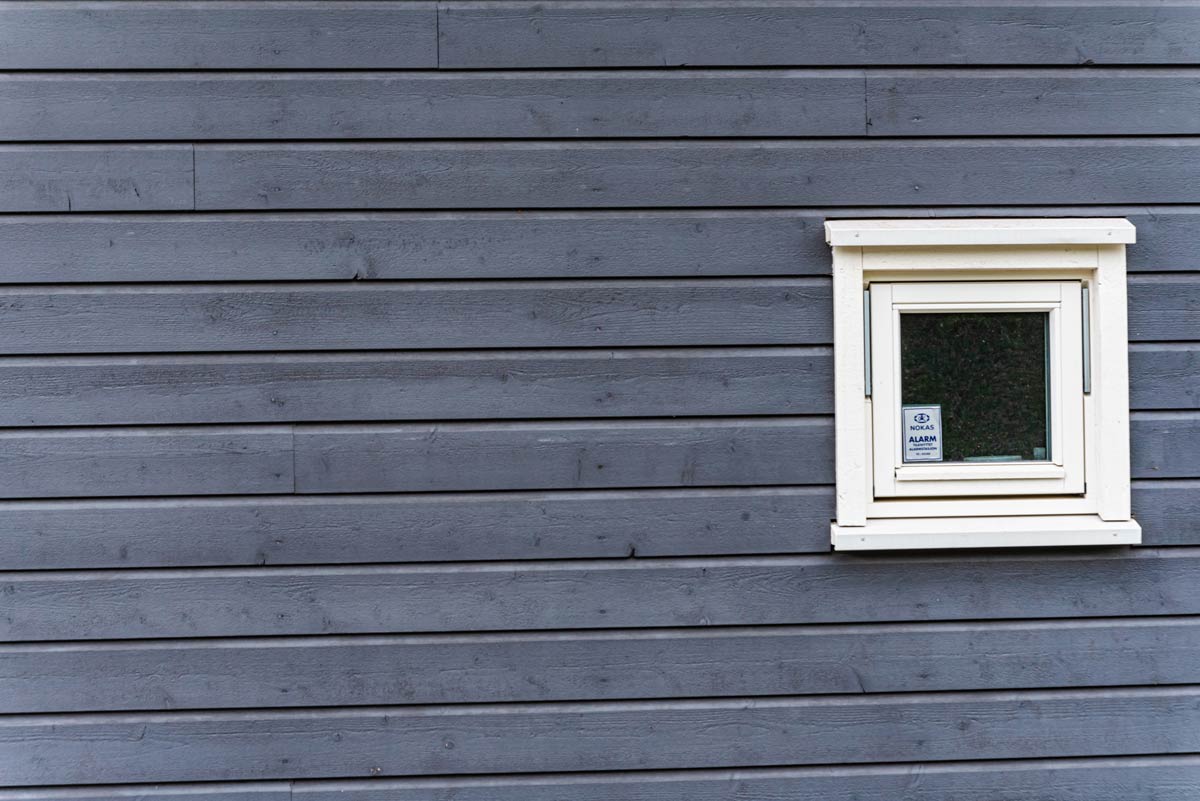

 Danny Wall
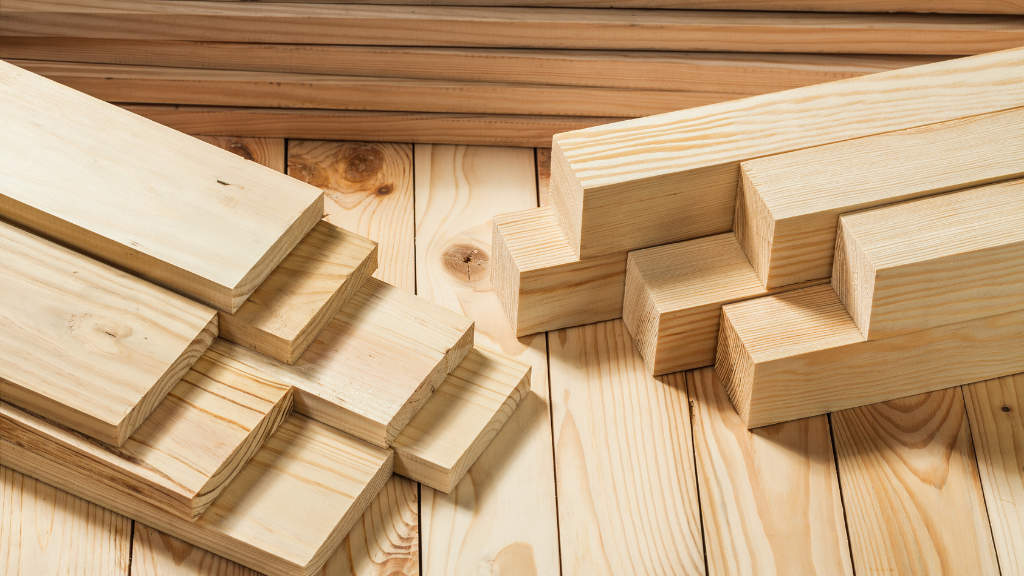
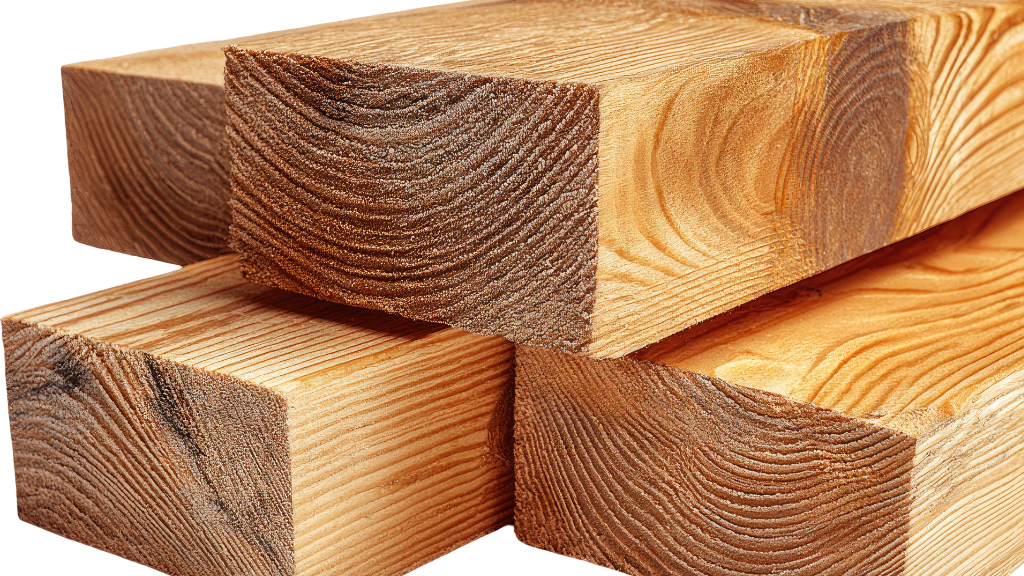
Timber cladding covers a lot of ground. The same term gets used for featheredge boards on a garden shed, larch rainscreen panels on a self-build, and shadow gap profiles on a high-spec extension. They’re all timber cladding, but they work differently, cost differently, and suit different jobs.
This guide breaks down the main profiles and species in plain terms, so you can pick the right option for the job rather than guess from a brochure.
Cladding Profiles: How the Boards Fit Together
The profile is the shape of the board and how it fixes to the wall. Get this choice wrong and you’ll either pay more than you need to, or end up with something that doesn’t look right or perform well in the conditions it’s facing.
Here are the main profiles used on UK buildings.
Featheredge
Featheredge boards are tapered: thick at one edge, thin at the other. They’re fixed horizontally, each board overlapping the one below, with the thin edge tucked behind.
It’s one of the oldest cladding profiles in the UK and still one of the most used, mainly because it’s cost-effective and does the job well. The overlapping boards shed water reliably and the profile suits everything from farm buildings to rural homes.
For sheds, outbuildings and agricultural structures, featheredge in pressure-treated softwood is usually the first thing you’d reach for. It’s practical, widely stocked, and won’t break the budget.
Shiplap
Shiplap boards have a rebated edge that creates an overlap when fixed. The result is a tighter fit than featheredge, with a cleaner horizontal line across the face of the building.
It works horizontally or vertically and suits a wide range of building types: garden rooms, timber frame extensions, contemporary homes. The tighter profile means slightly better weather resistance than featheredge at the joints, though both need to be fixed correctly to perform well.
Softwood cladding in a shiplap profile is a good mid-range option for most domestic projects.
Tongue and Groove
Tongue and groove boards slot together: one edge has a protruding tongue, the other a corresponding groove. The boards sit flush, giving a smooth, consistent finish.
It’s more commonly used on sheltered applications, soffits, porches and interior cladding than on exposed external walls. On a fully exposed elevation with no shelter, standard tongue and groove softwood needs regular maintenance to stay in good shape. For internal feature walls or covered outdoor areas, it gives a clean result.
Vertical tongue and groove in particular works well on contemporary interiors and covered porches.
Board and Batten
Wide boards are fixed vertically to the wall, and narrower strips (the battens) are then fixed over the joints between them. The battens cover the gaps and pin the boards.
It’s a profile with a strong visual presence. The vertical lines suit barn-style buildings, rural homes and contemporary new builds equally well. Board and batten is also one of the most practical options for vertical timber cladding: the battens conceal the joints so there’s no gap left exposed to water.
For anyone looking at different types of timber cladding for a self-build or extension, board and batten is worth considering if you want a bold, structured look without paying for a premium species.
Shadow Gap (Rainscreen)
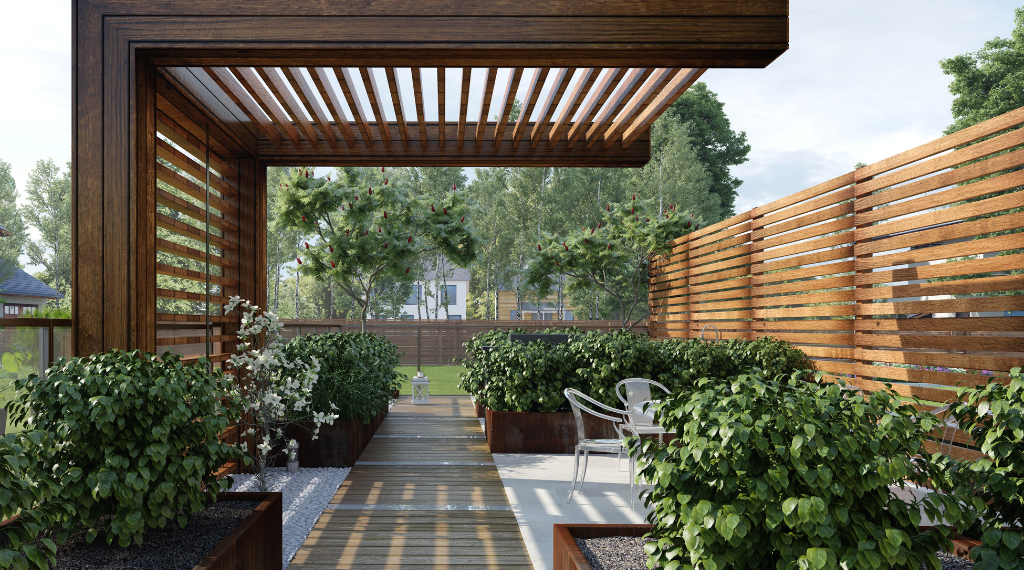
Shadow gap cladding is fixed with a deliberate, precisely controlled gap between each board. The gaps create a strong horizontal or vertical shadow line across the face of the building, giving a modern, architectural finish.
It’s more complex to detail correctly than the profiles above. The cavity behind the boards needs careful attention to prevent moisture tracking in through the gaps. For this reason, it’s more common on architect-specified projects and higher-spec timber frame cladding, and less common on sheds or basic outbuildings.
Waney Edge
One edge of the board retains the natural contour of the tree, bark removed but the irregular profile left intact. The result is rustic and informal.
It suits agricultural buildings, rural outbuildings and log cabin-style structures. It’s not the right choice if you need a clean, consistent finish, but for the right building it looks the part and costs less than machined profiles.
Timber Species: What the Boards Are Actually Made From
The profile determines the shape. The species, or the treatment applied to it, determines how it holds up outdoors over time. These are the main options you’ll come across in the UK.
Larch
Larch is the most widely used softwood exterior cladding species in the UK for good reason. It’s dense for a softwood, naturally resinous, and holds up well outdoors without treatment. It machines cleanly into most profiles and takes oils and stains well if you want to maintain the colour.
Left untreated, larch weathers to a silver-grey over several years. Some people like this look; others prefer to oil it periodically to keep the warm tone. Either way, it’s a reliable choice for homes, extensions and garden buildings.
Western Red Cedar
Western red cedar is lightweight, naturally rot-resistant and dimensionally stable, which means it moves less as moisture levels change than many other species. It has a warm reddish-brown colour that weathers to grey if left unfinished.
It’s popular on garden rooms, contemporary extensions and architect-led projects. The cost is higher than larch, so it tends to be chosen where appearance is as important as performance. Most western red cedar on the UK market is sourced from Canada.
Pressure-Treated Softwood
This is the option that gets underplayed in most cladding guides, and it shouldn’t be. Pressure-treated softwood (typically redwood or whitewood pine treated to Use Class 3, above ground and exposed to weather) is the practical backbone of most shed, outbuilding and agricultural cladding in the UK.
The treatment is forced deep into the timber under pressure, giving it good resistance to rot and fungal attack without the cost of a premium species. It takes paint and stain well, and most common profiles (featheredge, shiplap, tongue and groove) are readily available in treated softwood.
If you’re at a trade counter asking about cladding for a shed or outbuilding, treated softwood is usually the straight answer. Look for timber treated to BS 8417 to make sure the treatment standard is right for outdoor use.
Skuma Timba stocks a range of treated cladding ready for collection or delivery.
Thermowood
Thermowood is softwood (usually pine or ash) that’s been put through a high-temperature heat treatment process rather than a chemical treatment. The process changes the structure of the wood, making it more stable and more resistant to moisture and rot than standard softwood.
The result is a darker, more consistent colour throughout the board. It doesn’t require further treatment to perform outdoors, though it can be oiled if you want to maintain the appearance. Thermowood cladding sits in price between treated softwood and western red cedar, and it’s becoming a more common choice on garden rooms and contemporary homes.
European Oak
Oak is a hardwood. It’s heavy, strong and lasts well outdoors, but it’s expensive and harder to work with than softwood species. Left untreated, oak weathers to the same silver-grey as larch and cedar.
It’s used on high-spec residential projects and commercial buildings where the material quality matters as much as the performance. For most sheds and outbuildings, oak is more than the job requires. For a house that needs to look good for decades with minimal maintenance, it’s a serious option.
Vertical vs Horizontal and Does It Matter?
Structurally, both orientations work. The choice is mainly visual, though there are a few practical points worth knowing.
| Horizontal | Vertical | |
| Look | Traditional, suits most building types | Contemporary, makes a building appear taller |
| Best profiles | Featheredge, shiplap | Board and batten, shadow gap |
| Water runoff | Natural runoff along the overlap or rebate | Relies on correct detailing and ventilation behind |
| Key installation note | Fix boards with a slight outward tilt at the bottom to encourage drainage | Requires horizontal counter-battens behind the cladding to create a ventilation gap and give fixings something solid to land in |
The counter-batten step is the one that catches people out on vertical installations. Skip it and you’ll trap moisture behind the boards.
Homes vs Sheds: Matching the Spec to the Job
Most cladding guides treat every project the same way. In practice, what you’d use on a house or timber frame extension is often different from what makes sense on a shed or outbuilding.
For sheds, outbuildings and agricultural buildings:
- Pressure-treated featheredge or shiplap softwood is the go-to
- Waney edge for a rustic or rural look
- Board and batten for a stronger visual at a lower cost than premium species
- UC3-treated softwood does the job without over-specifying
For homes, extensions and garden rooms:
- Larch or western red cedar for longevity and appearance
- Thermowood, if you prefer a chemical-free treatment process
- Shadow gap or board and batten for a contemporary finish on timber frame cladding
- Consider factory-applied finishes if on-site finishing isn’t practical
The main mistake people make is over-specifying outbuildings (paying for cedar when treated softwood would last just as long with a coat of stain) or under-specifying homes (using basic softwood in an exposed location and then being surprised when it needs attention within a couple of years).
Maintaining Timber Cladding
Timber cladding doesn’t need much attention, but it does need some.
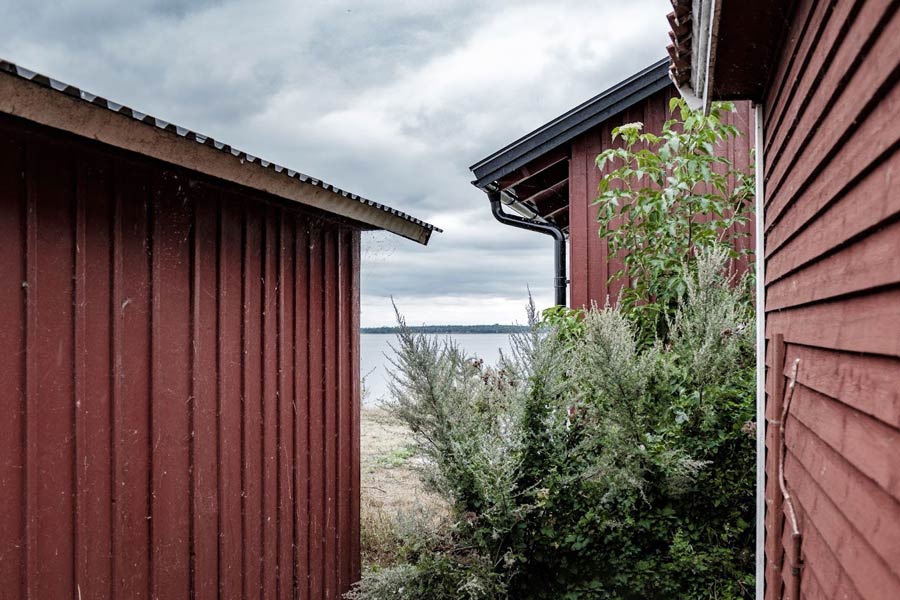
- Untreated species like larch, cedar and oak will naturally weather to grey. That’s the timber reacting to UV and moisture, not damage. If you want to keep the original colour, oil it once a year.
- Pressure-treated softwood should be re-stained or painted every two to three years in an exposed position.
- Always use stainless steel or hot-dipped galvanised fixings. Standard zinc-plated nails will rust, and the rust stains run down the face of the boards.
- Leave a ventilation gap behind the cladding. Trapped moisture is the main cause of premature failure, not the weather itself.
- A brush and water once a year keeps the face clean. Avoid pressure washing at close range.
Get the Right Cladding for Your Job
Skuma Timba stocks treated cladding, softwood cladding and thermowood cladding for collection or delivery across the region. If you’re not sure which profile or spec suits your project, speak to someone at the trade counter who can point you in the right direction.
Browse our timber cladding range
FAQs About Timber Cladding
What is the best timber for exterior cladding in the UK?
Larch and western red cedar are the most common choices for homes and extensions. For sheds and outbuildings, pressure-treated softwood is the practical option: lower cost, widely available and long-lasting when treated to UC3 standard and finished correctly.
What’s the difference between shiplap and featheredge cladding?
Featheredge boards are tapered and fixed horizontally, each overlapping the one below. Shiplap boards have a rebated edge that interlocks when fixed, giving a tighter joint and a slightly cleaner finish. Both are available in treated softwood and are common on sheds, garden buildings and outbuildings.
Can timber cladding be fitted vertically?
Yes. Board and batten and shadow gap profiles are regularly installed vertically. You’ll need horizontal counter-battens fixed behind the cladding first to create a ventilation gap and give the fixings something solid to land in.
How long does timber cladding last?
Pressure-treated softwood, properly maintained, will typically last 15 to 20 years. Larch and cedar can last considerably longer with periodic oiling or staining. Oak and sweet chestnut are among the most durable options if left untreated and used in the right conditions.
Does timber cladding need planning permission?
On most houses, adding external cladding is covered by permitted development. Check with your local planning authority before starting, particularly on listed buildings, in conservation areas, or if the cladding will change the material appearance of a front elevation.
What’s the cheapest type of timber cladding?
Pressure-treated featheredge softwood is usually the lowest-cost option. It’s the most common profile on sheds, fences and agricultural buildings in the UK. Cost goes up as you move to shiplap, then softwood cladding species like larch, then thermowood, then cedar and hardwoods.