
 25 Feb 2026
  10 min read

 Danny Wall

Hardwood and softwood are terms you’ll hear every day on site and at the trade counter. But the names can be misleading. Picking the wrong timber for a job means wasted money, wasted time, and a finish that doesn’t hold up.
This guide breaks down the real differences between hardwood and softwood, when to use each, and how to make the right call for common building and DIY projects. For help with sizing, grading, and what to check before you buy, see our timber buying guide.
What’s the Difference Between Hardwood and Softwood?
Here’s the first thing to know: the names have nothing to do with how hard or soft the wood actually is.
Hardwood comes from deciduous trees. These are broadleaf trees like oak, ash, and beech that drop their leaves every autumn. They grow slowly, sometimes taking up to 150 years before they’re ready to harvest. That slow growth creates a denser, heavier timber with a more complex cell structure.
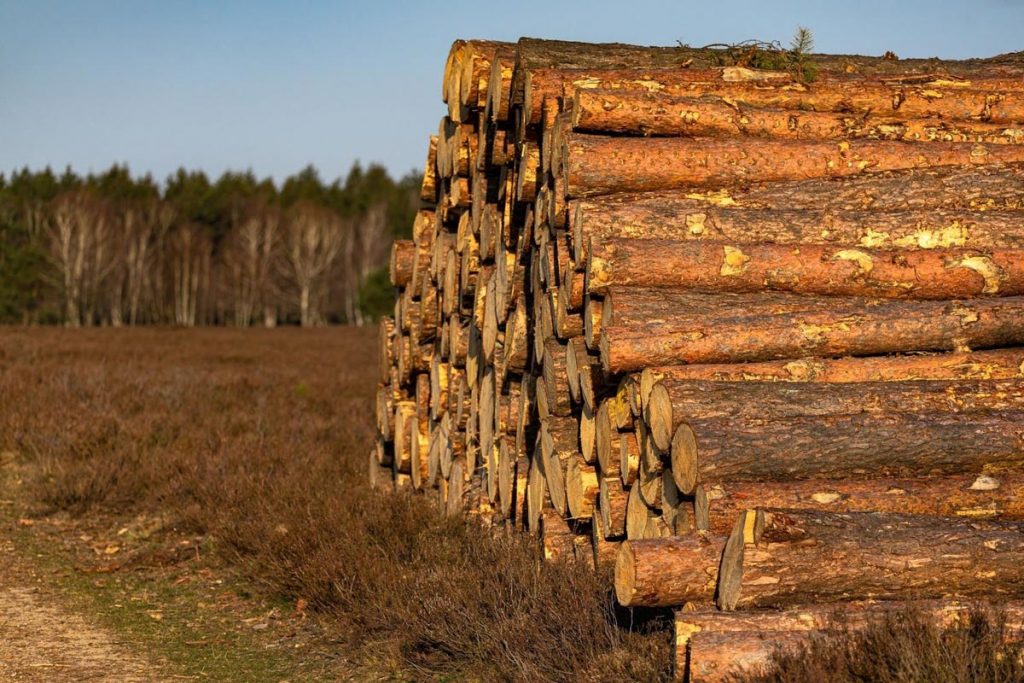
Softwood comes from coniferous trees. Think pine, spruce, and larch. These trees have needles instead of leaves and stay green year-round. They grow much faster, usually reaching harvest size in around 40 years. The result is a lighter, less dense timber that’s easier to work with.
The real difference is botanical, not physical. Hardwood trees produce seeds enclosed in a fruit or nut. Softwood trees produce exposed seeds, typically in cones. That’s it.
Some Exceptions to Note
There are exceptions that prove the rule. Balsa is technically a hardwood, but it’s one of the softest, lightest timbers around. Yew is a softwood, but it’s harder than many hardwoods. So don’t let the names fool you.
At a cellular level, hardwoods contain pores (or vessels) that transport water and nutrients. These pores give hardwood its pronounced, visible grain. Softwoods have a simpler structure without visible pores, which is why the grain tends to be finer and less noticeable.
Characteristics and Common Uses of Hardwood
Hardwood is denser, heavier, and more hard-wearing than most softwoods. The slow growth rate means the fibres pack together tightly, creating a strong, durable material.
You’ll notice hardwood has a more prominent grain pattern and often a darker colour. Oak, ash, walnut, and beech all have that distinctive look that works well for visible joinery and furniture.
Hardwood is the better choice when durability and appearance both matter. Common uses include:
- Flooring in high-traffic areas
- Staircases and stair treads
- Furniture and cabinetry
- External joinery like doors and window frames
- Structural beams where strength is critical
- Decking where longevity justifies the cost
Common hardwood species you’ll find at UK merchants include oak, ash, beech, sapele, iroko, and meranti.
Oak is the go-to for structural beams, stair treads, and anywhere that needs to handle heavy use. If the job is seen and needs to last, hardwood is usually worth the extra spend.
Characteristics and Common Uses of Softwood
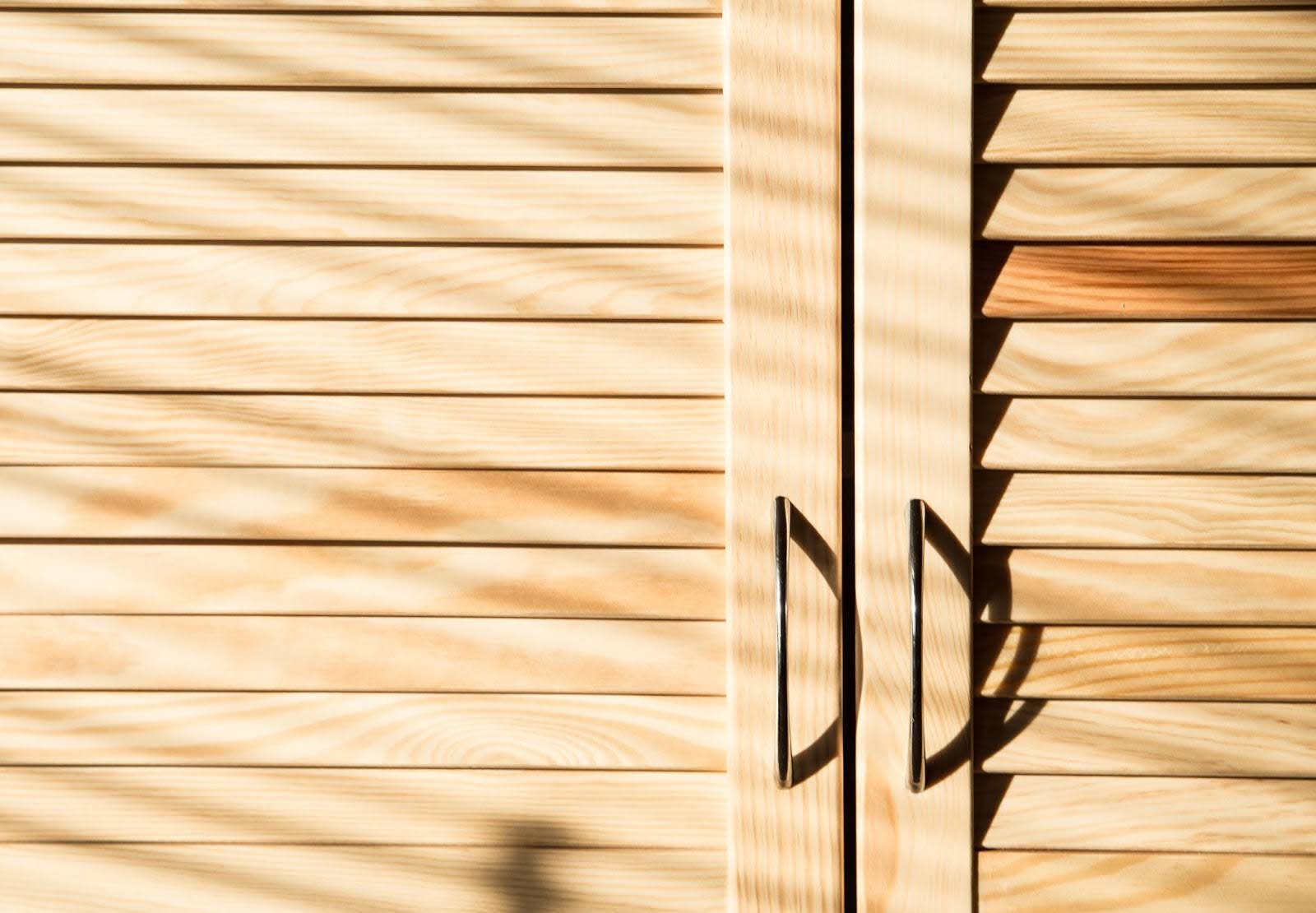
Softwood is lighter, cheaper, and easier to cut, shape, and fix. It makes up around 80% of all timber used globally, and for good reason. For most construction work, it does everything you need.
The grain is less pronounced than that of hardwood, and the colour tends to be lighter. Softwood takes paint and stain well, making it a good choice for trim and joinery that will be finished.
Softwood suits most structural and general building work. Common uses include:
- Stud walls and internal framing
- Roof trusses and rafters
- Floor joists and carcassing
- Skirting boards and architrave
- Door linings and frames
- Cladding and battening
- Fencing (when treated)
- Garden structures like pergolas and raised beds
Common softwood species include pine, spruce, redwood (Scots pine), whitewood, larch, and cedar.
Softwood is the backbone of most construction work. For stud walls, roof trusses, and general framing, it does the job well and costs far less than hardwood.
When to Use Hardwood vs Softwood
The right choice depends on the job. Here’s a quick reference:
| Project | Recommended | Why |
| Stud walls and framing | Softwood (CLS, carcassing) | Cost-effective, easy to work with, structurally sound |
| Floor joists | Softwood (C16 or C24) | Strong enough for the span, affordable |
| Flooring (high traffic) | Hardwood (oak, ash) | Resists dents and scratches over time |
| Skirting and architrave | Softwood or MDF | Easy to paint, cost-effective |
| Staircases | Hardwood (oak) | Handles foot traffic, looks the part |
| External doors | Hardwood or treated softwood | Weather resistance and durability |
| Windows | Hardwood, Accoya, or treated softwood | Stability and rot resistance |
| Decking boards | Treated softwood or hardwood | Budget vs longevity trade-off |
| Decking joists | Treated softwood | Hidden from view, treated for ground contact |
| Fence posts | Treated softwood | Cost-effective, does the job |
| Fence panels | Treated softwood | Standard practice for garden fencing |
| Furniture | Hardwood | Durability and appearance |
| Pergolas and garden structures | Treated softwood | Affordable outdoor option |
Budget jobs: Softwood wins nearly every time. It’s cheaper, widely available, and perfectly capable for most applications.
Long-term investment: Hardwood pays off for floors, stairs, and furniture. The upfront cost is higher, but you won’t be replacing it in 10 years.
External use: Treated softwood is the practical middle ground. It gives you outdoor durability without the hardwood price tag.
Treated Softwood is a Practical Middle Ground
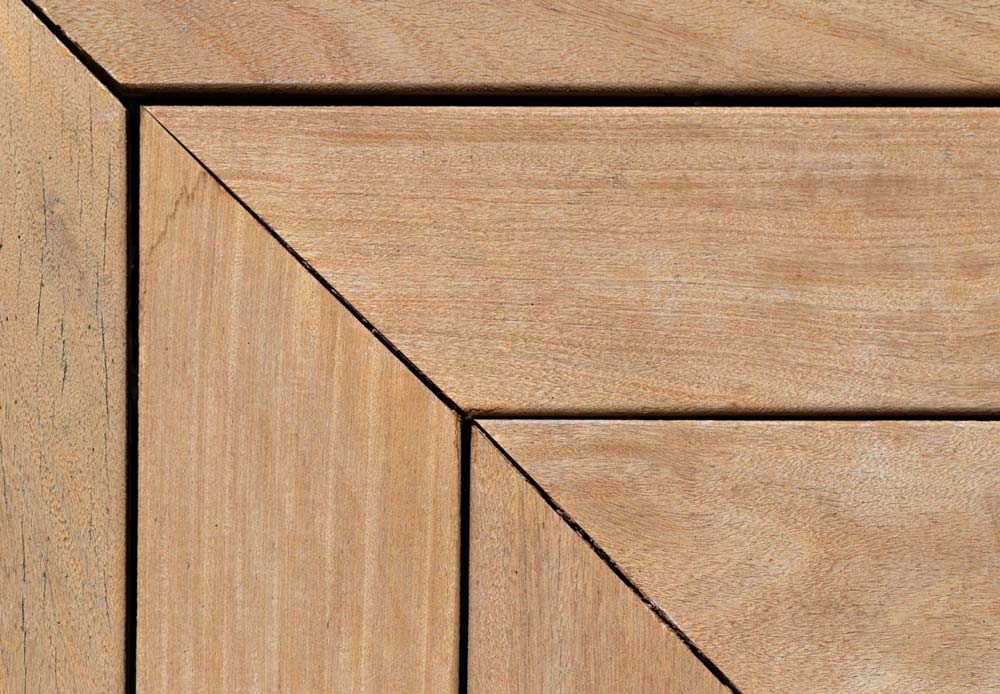
Pressure-treated softwood bridges the gap between cost and durability. The treatment process forces preservatives deep into the timber, protecting it against rot, insects, and moisture.
You’ll recognise treated timber by its green or brown tint. It’s the standard choice for any outdoor application where the wood will be exposed to weather or ground contact.
Common uses for treated softwood include:
- Fence posts and rails
- Decking joists and subframes
- Pergola posts and beams
- Raised garden beds
- Shed frames
- Sleepers and retaining walls
Treated softwood does everything most garden and outdoor jobs require, at a fraction of what you’d pay for hardwood.
One thing to remember: the treatment only penetrates so far. If you cut treated timber, the fresh end is unprotected. Brush on some end-grain preservative to maintain the protection.
There’s also thermally modified timber, like ThermoWood, which uses heat rather than chemicals to improve durability. It performs closer to hardwood and works well for cladding and decking where a natural finish matters.
How to Tell Hardwood from Softwood
Most of the time, you’ll know what you’re buying from the label. But if you’re working with reclaimed timber or unlabeled stock, here are a few ways to tell them apart:
Weight: Pick up similar-sized pieces. Hardwood is usually noticeably heavier due to its higher density.
Grain: Hardwood has a more pronounced, visible grain pattern. Softwood grain is finer and less distinct.
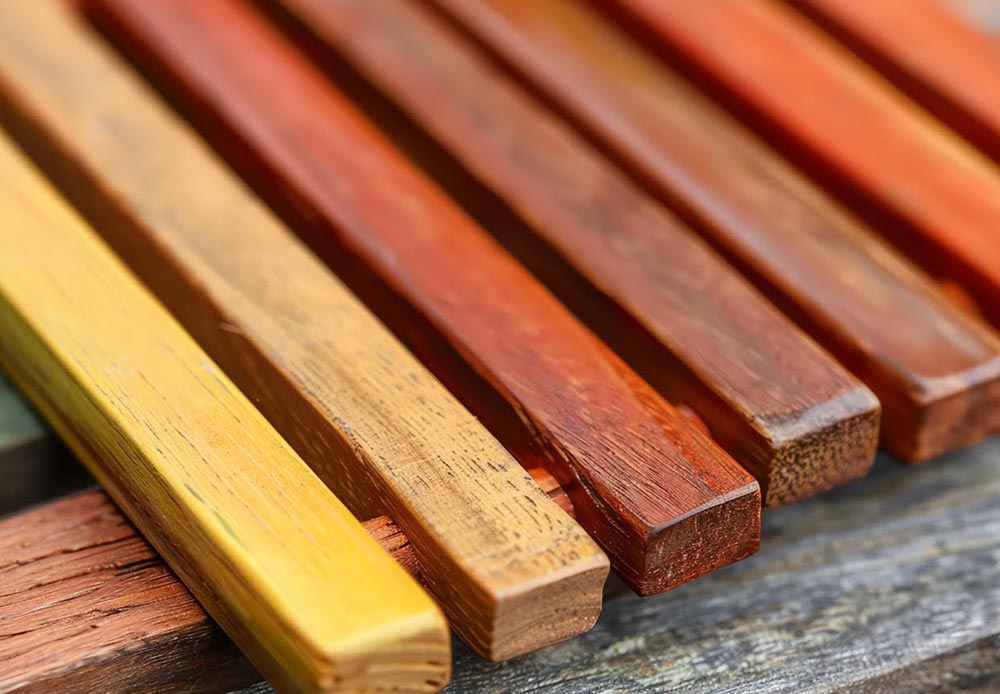
Colour: Hardwoods tend to be darker. Softwoods are typically lighter, ranging from pale cream to yellowish tones.
Hardness test: Try making a small cut or dent. If it chips easily or dents with light pressure, it’s likely softwood.
End grain: Look at the cut end. Hardwood often shows visible pores. Softwood has a more uniform appearance without obvious pores.
Cost Comparison: Is Hardwood Worth the Extra?
Softwood costs significantly less than hardwood. Depending on the species, you might pay half the price or less for softwood compared to oak or ash.
That price difference reflects the growth time. Softwood trees reach harvest size in 40 years. Hardwood can take over a century. Supply and demand do the rest.
So when does hardwood justify the cost?
Pay for hardwood when:
- The timber will be visible and needs to look good
- The surface will take daily wear (floors, stairs, worktops)
- You need long-term durability without regular maintenance
- The application demands strength (structural beams, heavy furniture)
Stick with softwood when:
- The timber will be hidden (framing, joists, battens)
- The job is cost-sensitive
- You’re covering it with paint anyway
- Treated softwood will handle the conditions
Don’t pay for hardwood where no one will see it. Save the oak for staircases and floors. Use softwood for everything behind the scenes.
One more thing to factor in: lifespan. Hardwood flooring, properly maintained, can last 50 years or more. Softwood flooring in a high-traffic area might need replacing in 15 to 20 years. Sometimes the higher upfront cost works out cheaper over time.
Which Is More Environmentally Friendly?
Softwood grows faster, so forests can be replenished more quickly. That generally makes softwood the more renewable option.
But both hardwood and softwood can be sourced responsibly. Look for FSC or PEFC certification on the timber you buy. These marks confirm the wood comes from forests managed to environmental standards.
Hardwood’s slower growth means responsible sourcing matters even more. If you’re buying tropical hardwoods like iroko or sapele, certification gives you confidence that the timber hasn’t contributed to deforestation.
Most reputable UK merchants stock certified timber as standard. If sustainability matters to you, ask about certification before you buy.
Quick Reference: Timber for Common Projects
Here’s a quick rundown of what to reach for on common jobs:
Stud walls: 38mm x 89mm CLS softwood for studs, noggins, head plates, and sole plates. Use treated if the wall backs onto external masonry.
Floor joists: C16 or C24 softwood carcassing. Size depends on span. 47mm x 150mm to 47mm x 225mm covers most domestic work.
Roof structure: Softwood carcassing for rafters and joists. Roofing battens (blue or green treated) for tile fixing.
Decking frame: Treated softwood joists, 47mm x 150mm or 47mm x 200mm. C24 for longer spans.
Decking boards: Treated softwood for budget builds. Hardwood (like balau or ipe) for a longer-lasting finish.
Fence posts: Treated softwood, 75mm x 75mm or 100mm x 100mm, depending on fence height and exposure.
Skirting and architrave: Softwood for staining, MDF for painting. Both are cost-effective.
Door linings: Softwood for internal doors. Hardwood or treated softwood for external frames.
Staircases: Oak hardwood for treads and handrails. Softwood is fine for hidden stringers and risers.
External doors: Hardwood (sapele, oak) or modified timber like Accoya for stability and weather resistance.
Flooring: Hardwood (oak, ash) for solid floors in high-traffic areas. Engineered boards as an alternative where subfloor conditions vary.
FAQs
Is pine a hardwood or softwood?
Pine is a softwood. It comes from coniferous trees and is one of the most commonly used timbers for construction, framing, and general joinery in the UK.
Is oak a hardwood or softwood?
Oak is a hardwood. It grows from deciduous broadleaf trees and is known for its strength, durability, and distinctive grain. Common uses include flooring, furniture, staircases, and structural beams.
What are the disadvantages of hardwood?
Hardwood costs more than softwood and can be harder to source in certain species. Its density makes it more difficult to cut and work with, often requiring sharper or more heavy-duty tools. It’s also heavier to handle and transport.
Which is better, hardwood or softwood?
Neither is universally better. Softwood suits most structural work and budget-sensitive projects. Hardwood is the better choice for high-traffic surfaces, visible joinery, and applications where long-term durability matters. Match the material to the job.
Can I use softwood outside?
Only if it’s been pressure-treated. Untreated softwood will rot quickly when exposed to moisture and weather. Treated softwood is fine for fencing, decking subframes, pergolas, and other outdoor structures.
What’s the difference between hardwood and softwood for building?
In construction, softwood handles most structural work: stud walls, floor joists, roof framing, and battening. It’s cheaper and easier to work with. Hardwood is reserved for flooring, staircases, external joinery, and other applications where strength, durability, and appearance all matter.
Get the Right Timber for the Job
Choosing between hardwood and softwood comes down to one question: what’s the job? For framing, fencing, and most structural work, softwood does everything you need. For floors, stairs, furniture, and anything that takes daily wear, hardwood is worth the investment.
Browse our full timber range or get in touch if you need help matching materials to your project.