
 24 Feb 2026
  7 min read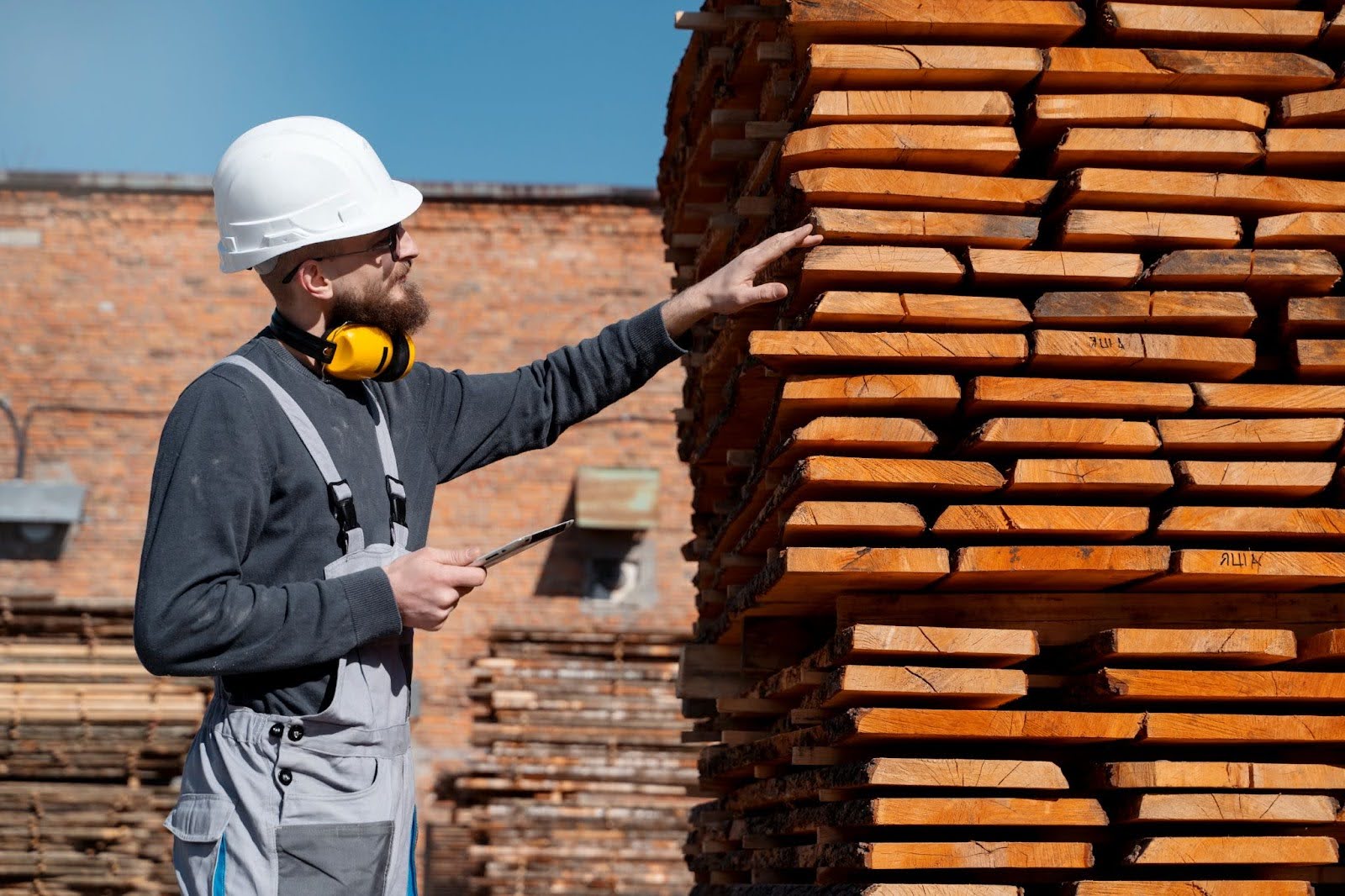

 Danny Wall
Buying timber can feel confusing if you’re not sure what you’re looking for. Different jobs need different materials, and picking the wrong stuff means wasted time, wasted money, and a job that doesn’t last.
This guide covers everything you need to know before you buy: the main timber types, when to use treated or untreated wood, how to spot good stock, and what the sizing and grading numbers actually mean.
Understanding Timber Types
Timber falls into three categories based on how it’s used:
- Construction timber – structural work where appearance doesn’t matter
- Finishing timber – visible joinery where a smooth surface matters
- Decorative timber – mouldings, rails, and detail work
Construction Timber
Construction timber is the backbone of most building work: stud walls, floor joists, roof frames, battening, and general framing.
Common types include:
- CLS studwork – kiln-dried softwood with rounded edges, used for internal stud walls and framing. Available treated or untreated.
- Sawn carcassing – rough-sawn timber for structural frames, floor joists, and roof construction.
- Roofing battens – provide fixing points for tiles or slates. Blue battens are BS5534 compliant; green battens can be site-graded.
- Treated sawn timber – pressure-treated for outdoor use: fence posts, pergolas, raised beds, shed frames.
Practical tip: Always drill pilot holes when screwing into studwork to prevent splitting.
Finishing Timber
Finishing timber is used where the surface will be visible. It’s planed, smooth and ready for painting, staining, or a clear finish.
- Whitewood spruce – light-coloured softwood, good for shelving, furniture frames, and interior joinery.
- Planed softwood (PAR/PSE) – smooth on all faces, ideal for window boards, door linings, and visible framework.
- Floorboards – available as structural boards (fixed to joists) or decorative overlay boards.
Timber cladding – shiplap, tongue-and-groove, or featheredge profiles for external walls.
Decorative Timber
Decorative timber adds finishing touches: skirting boards, architrave, dado rails, picture rails, mouldings (quadrant, scotia, glazing beads), and stripwood for battening and detail work.
Practical tip: Use decorator’s caulk to fill gaps between mouldings and uneven walls before painting.
Hardwood vs Softwood
The names can be misleading. The terms refer to the type of tree, not hardness.
| Hardwood | Softwood |
| Broadleaf trees (oak, ash, beech) | Conifer trees (pine, spruce, larch) |
| Generally denser and harder-wearing | Lighter and easier to work with |
| Best for furniture, flooring, high-traffic areas | Best for framing, cladding, general joinery |
| More expensive | More affordable |
For most building and DIY work, softwood does the job well. Hardwood is better when durability or appearance really matters. For a deeper look at when to use each, see our hardwood vs softwood guide.
Treated vs Untreated Timber
This is one of the most common questions at the trade counter. The answer depends entirely on where the timber will be used.
Treated Timber
Treated timber has been pressure-treated with preservatives that protect against rot, insects, and moisture. It usually has a green or brown tint.
Use treated timber for:
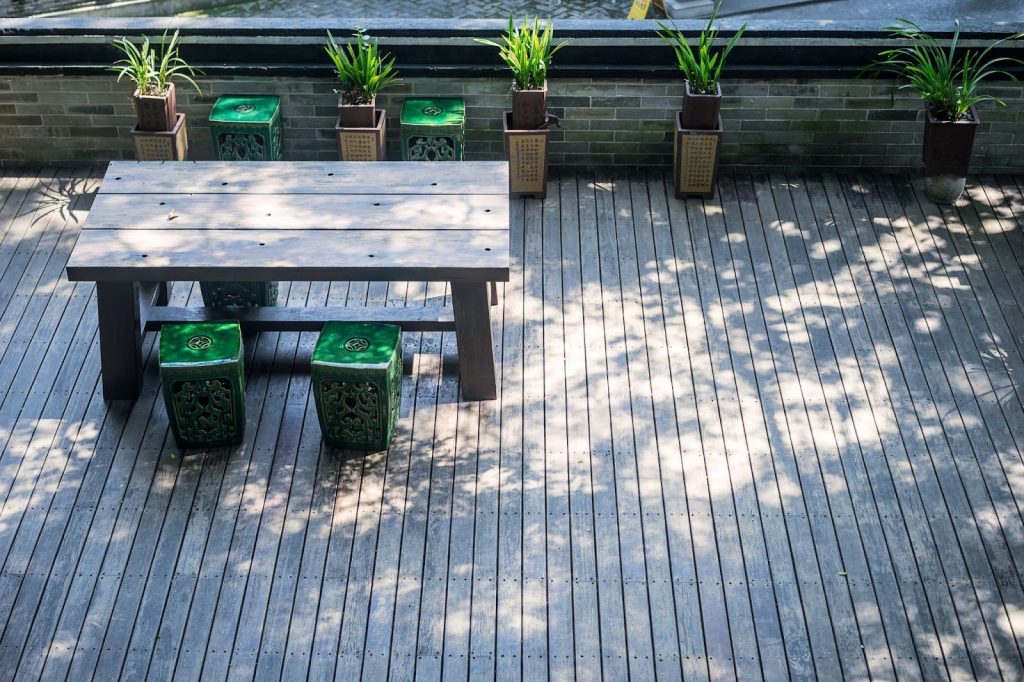
- Anything outdoors or exposed to the weather
- Ground contact (fence posts, sleepers, decking joists)
- Damp or humid environments
- Garden structures, fencing, pergolas, and raised beds
Practical tip: Re-treat cut ends with brush-on preservative to maintain protection.
Untreated Timber
Untreated timber is wood in its natural state, typically kiln-dried. It’s cleaner to work with and easier to paint or stain.
Use untreated timber for:
- Internal joinery and trim
- Door linings and frames
- Skirting boards and architrave
- Furniture and cabinetry
Important: Never use untreated timber outdoors unless you’re treating and sealing it yourself.
Quick Reference Table
| Application | Treated | Untreated |
| Fence posts | Yes | No |
| Decking joists | Yes | No |
| External cladding battens | Yes | No |
| Internal stud walls | Optional | Yes |
| Skirting boards | No | Yes |
| Door linings | No | Yes |
Sheet Materials
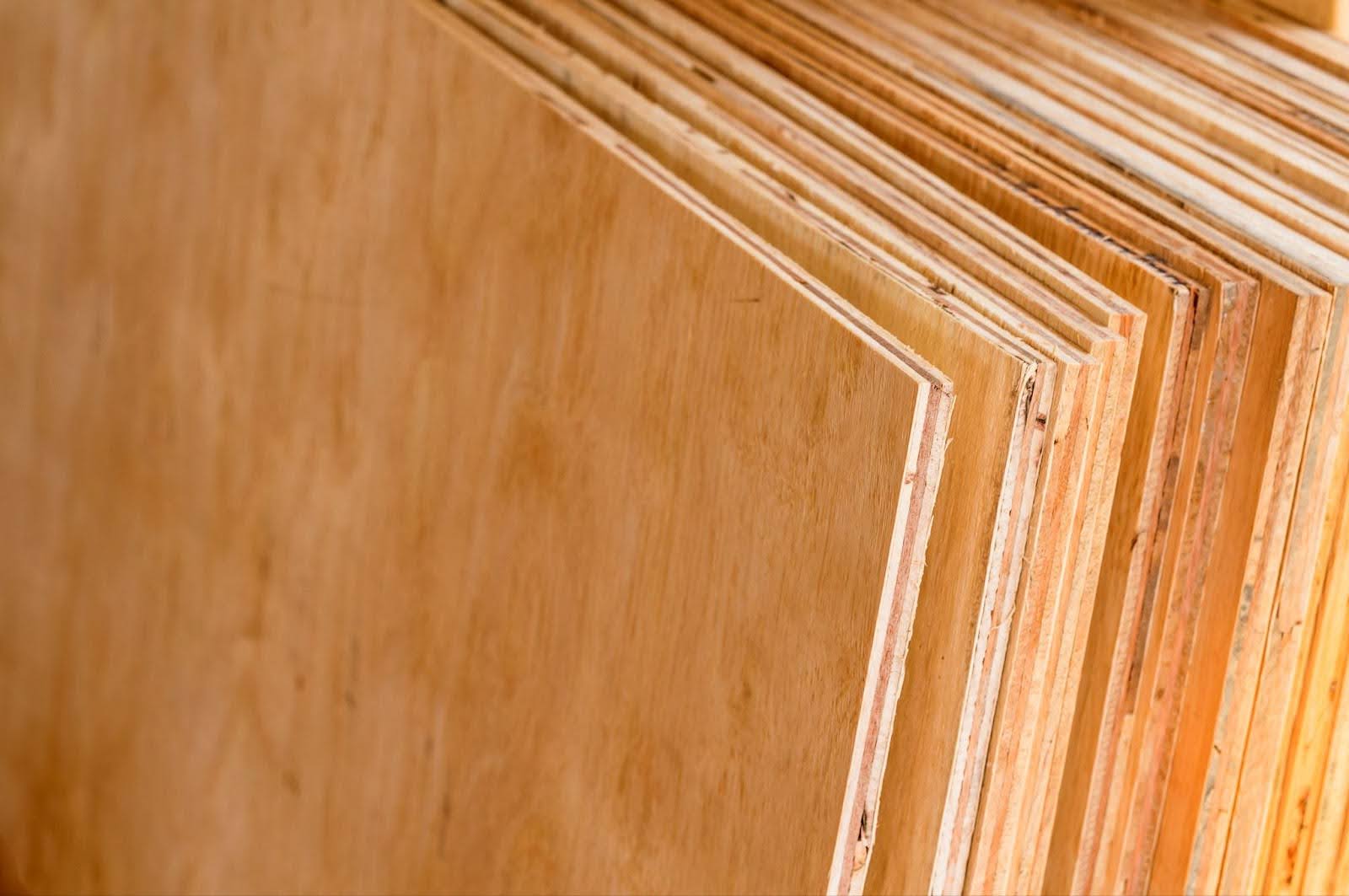
Sheet materials are engineered boards made from wood fibres, veneers, or strands. They’re often more stable than solid timber and come in standard 2440mm x 1220mm sizes.
- MDF – smooth, consistent surface, easy to machine and paint. Good for skirting, architrave, shelving.
- Plywood – layers of veneer with alternating grain. Strong and stable. Hardwood ply for visible work, softwood ply for structural.
- OSB – compressed wood strands. Strong and affordable for roofing, flooring underlayment, wall sheathing.
- Hardboard – thin, dense board for drawer bottoms and underlayment. Condition before fixing to prevent swelling.
What to Look for When Buying
Spending a few minutes checking stock before you buy saves hours of frustration later.
Check for Warping
Sight down the length of each board. Look for:
- Bowing – the board curves along its length
- Twisting – the board spirals along its length
- Cupping – the board curves across its width
Inspect for Defects
- Knots: Small, tight knots are fine. Large, loose knots can fall out and weaken timber.
- Splits and cracks: Check ends especially. Deep cracks can spread.
- Bark and wane: Bark edges reduce usable width.
- Staining: Blue stain doesn’t affect strength but looks poor in visible work.
Consider Moisture Content
Timber shrinks as it dries. Using wet timber indoors leads to gaps, warping, and squeaky floors.
- Kiln-dried timber (12-18% moisture) is more stable.
- Air-dried or green timber needs time to acclimatise.
For internal joinery, always use kiln-dried stock.
Sizing and Grading of Timber
Nominal vs Finished Sizes
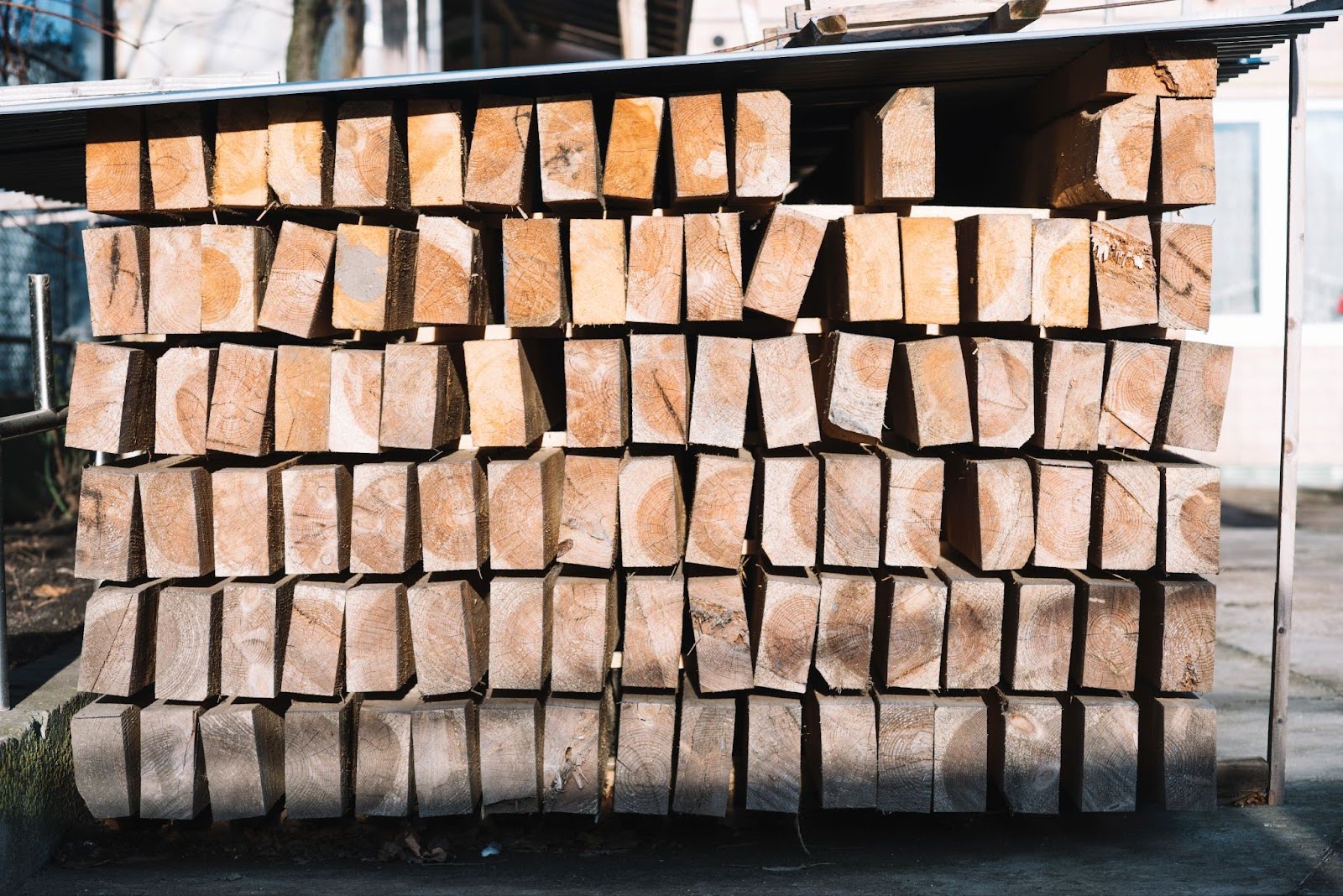
Timber is sold by nominal size (rough-cut dimension) but the actual finished size is smaller after planing.
| Nominal Size | Finished Size (approx) |
| 38mm x 89mm | 38mm x 89mm |
| 47mm x 100mm | 45mm x 95mm |
| 47mm x 200mm | 45mm x 195mm |
Standard lengths: 1.8m, 2.4m, 3.0m, 3.6m, 4.2m, 4.8m
Strength Grades
- C16 – suitable for most general construction: stud walls, floor joists on shorter spans, roof battens.
- C24 – stronger and stiffer, required for longer spans and heavier structural loads.
The number relates to bending strength in N/mm². If plans specify C24, don’t substitute C16.
Buying for Common Projects
Stud Walls: 38mm x 89mm CLS for studs, noggins, head and sole plates. Treated if near external walls.
Decking: Treated joists (47mm x 150mm or 200mm C24), treated decking boards, joist hangers, deck screws.
Fencing: Treated posts (75mm or 100mm square), treated arris rails, panels or featherboard.
Door Linings: Softwood linings for internal doors, rebated frames for external, fire door frames where required.
Skirting and Architrave: MDF for painting, softwood for staining.
Sustainability
Look for FSC or PEFC certification. These confirm timber comes from responsibly managed forests. Most reputable UK merchants stock certified timber as standard.
Beginner’s Buying Checklist
- Know your project – structural, visible, or decorative? Internal or external?
- Choose treated or untreated – treated for outdoors, untreated for internal work.
- Check the grade – C16 for general work, C24 if specified.
- Calculate quantities – measure twice, add 10% for waste.
- Inspect before you buy – check for warping, splits, large knots.
- Ask if unsure – a decent merchant will help match material to job.
FAQs About Buying Timber
What’s the difference between treated and untreated timber?
Treated timber has been pressure-treated with preservatives to resist rot, insects, and moisture. Use it outdoors or in damp areas. Untreated is natural, easier to paint, and best for internal work.
What does C16 and C24 mean?
Strength grades for construction timber. C16 suits most general work. C24 is stronger, required for longer spans and heavier loads.
How do I know what size timber I need?
It depends on the application. Stud walls typically use 38mm x 89mm CLS. Floor joists are 47mm x 150mm to 250mm depending on span. Check plans or ask your merchant.
Can I use untreated timber outside?
Only if you treat and seal it yourself with regular maintenance. For ground contact or moisture exposure, always use pre-treated timber.
What’s the difference between sawn and planed timber?
Sawn has a rough finish, used for framing and structural work. Planed (PAR/PSE) is machined smooth, used for visible joinery and furniture.
What should beginners look for when buying lumber?
Understand your project requirements first. Check boards for warping by sighting down their length. Avoid large loose knots, deep cracks, and excessive moisture. Choose kiln-dried stock for internal work. Ask questions at the counter.
Get It Right First Time
Choosing the right timber doesn’t have to be complicated. Match the material to the job, check for defects before you buy, and don’t be afraid to ask for advice. A five-minute conversation can save you time, money, and a return trip.
Browse our full timber range or get in touch if you need help matching materials to your project.